ACFT Workout Plan: A Comprehensive Guide
Unlock your peak potential with a dynamic, disciplined ACFT plan! This guide details exercises, workouts, and plans – including a 25-week program – for ACFT success.
Understanding the Army Combat Fitness Test (ACFT)
The Army Combat Fitness Test (ACFT) represents a significant shift in how soldiers’ physical fitness is evaluated, moving beyond traditional standards. It’s designed to better reflect the demands of modern warfare, assessing a broader range of physical capabilities crucial for operational readiness. This test comprises six challenging events – Strength Deadlift, Standing Power Throw, Hand-Release Push-Up, Sprint-Drag-Carry, Plank, and the 2-Mile Run – each targeting different aspects of fitness.
Understanding the ACFT isn’t just about knowing the events; it’s about recognizing its purpose: to develop combat-ready soldiers. A well-structured workout plan, like those offered through resources such as the SOFLETE App, is essential for success. Preparing effectively requires a periodized approach, focusing on building a solid foundation and progressively increasing intensity.
The Six Events of the ACFT
The ACFT challenges soldiers across a spectrum of physical skills. The Strength Deadlift tests maximal strength, while the Standing Power Throw assesses explosive power. Hand-Release Push-Ups measure upper body muscular endurance, and the Sprint-Drag-Carry combines strength, endurance, and coordination. The Plank evaluates core stability, a critical component of overall fitness, and finally, the 2-Mile Run gauges cardiorespiratory endurance.
Each event demands specific training adaptations. Success requires a comprehensive workout plan addressing all six areas, not just focusing on perceived weaknesses. Resources like the Prep Journal aid in tracking progress across these events, allowing for targeted adjustments to your training regimen. Mastering each event is key to achieving a high ACFT score.
Strength Deadlift
The Strength Deadlift is a foundational ACFT event, testing maximal lower body and back strength. Proper form is paramount to prevent injury; focus on maintaining a straight back and engaging your core throughout the lift. Periodized strength and conditioning workouts, available through apps like SOFLETE, are crucial for improvement.
A dedicated Deadlift Training Program should incorporate progressive overload, gradually increasing weight lifted over time. Supplement this with accessory exercises targeting supporting muscle groups. Tracking your lifts using a training journal, like the Prep Journal, allows for data-driven adjustments to your program, maximizing strength gains and ACFT performance.
Standing Power Throw
The Standing Power Throw assesses upper body explosive power and coordination. Mastering this event requires a focus on technique – utilizing a full body movement to generate maximum force behind the throw. Tactical fitness training programs, such as those offered by SOFLETE, incorporate drills to enhance explosive power.
Periodized conditioning is key; build a base of strength before focusing on power development. Regularly practice the throwing motion, concentrating on proper form and maximizing distance. Utilize a training journal, like the Prep Journal, to track distances and identify areas for improvement, optimizing your performance on the ACFT.
Hand-Release Push-Up
The Hand-Release Push-Up tests muscular endurance and strength in the upper body. Proper progression is crucial; begin with modified push-ups if needed, gradually increasing difficulty. Tactical fitness programs emphasize building a solid foundation before attempting full hand-release push-ups.
Focus on maintaining a straight body line throughout the exercise, ensuring a full range of motion. Utilize prehab programs to prevent injuries and enhance performance. Track your repetitions and sets using a training journal, like the Prep Journal, to monitor progress and adjust your ACFT workout plan accordingly.
Sprint-Drag-Carry
The Sprint-Drag-Carry assesses muscular strength, endurance, and cardiovascular fitness – a truly demanding event. Strength and conditioning workouts should prioritize functional movements mimicking the event’s demands. Periodized training, available through apps like SOFLETE, is vital for optimal preparation.
Focus on explosive power during the sprint and maintaining a strong core throughout the drag and carry phases. Proper technique minimizes energy expenditure and prevents injury. Utilize the Prep Journal to meticulously track performance metrics and refine your ACFT workout plan for peak performance during this challenging event.
Plank
The Plank event directly tests core strength and stability, crucial for overall physical performance and injury prevention. A comprehensive ACFT workout plan must incorporate progressive overload to build endurance in this static hold. Focus on maintaining a neutral spine and engaging all core muscles throughout the duration.
Utilize variations like side planks and plank with shoulder taps to challenge different core muscle groups. Track your hold times diligently using a training journal, like the Prep Journal, to monitor progress and adjust your training accordingly. SOFLETE programs offer prehab routines to support core stability.
2-Mile Run
The 2-Mile Run assesses cardiovascular endurance, a vital component of overall fitness and operational readiness; An effective ACFT workout plan incorporates interval training and longer, steady-state runs to improve performance. Focus on pacing and maintaining consistent effort throughout the distance.
Implement strategies like tempo runs and hill repeats to build speed and stamina. Monitor your run times closely, utilizing a training journal to track progress and identify areas for improvement. SOFLETE’s periodized conditioning workouts can significantly enhance your 2-mile run time, preparing you for success.
Building Your ACFT Workout Plan
Craft a personalized ACFT plan through assessment and goal setting, utilizing periodized strength and conditioning workouts for optimal results and peak performance.
Assessment and Goal Setting
Begin your ACFT journey with a thorough self-assessment, honestly evaluating your current fitness levels across all six events. Identify your strengths and, crucially, your weaknesses. This initial evaluation forms the bedrock of your personalized workout plan.
Next, establish realistic and achievable goals. Don’t aim for perfection immediately; instead, focus on incremental improvements. Break down your overarching goal – achieving a competitive score – into smaller, manageable milestones.
Consider utilizing a training journal or the Prep Journal download to meticulously track your baseline scores. This data provides a quantifiable starting point and allows you to monitor progress effectively. Setting SMART goals – Specific, Measurable, Achievable, Relevant, and Time-bound – is paramount for sustained motivation and success.
Warm-Up Routine for ACFT Training
Prioritize a comprehensive warm-up before each ACFT training session to prepare your muscles and joints for the demands ahead. A proper warm-up minimizes injury risk and maximizes performance. Begin with 5-10 minutes of light cardio, such as jogging in place, jumping jacks, or high knees, to elevate your heart rate and increase blood flow.
Follow this with dynamic stretching, focusing on movements that mimic the exercises in the ACFT. Include arm circles, leg swings, torso twists, and hip rotations.
Dynamic stretching improves range of motion and prepares your muscles for explosive movements. Avoid static stretching before your workout, as it can temporarily reduce power output.
Dynamic Stretching
Incorporate dynamic stretches into your ACFT warm-up to enhance flexibility and prepare muscles for action. Focus on controlled movements that take your joints through a full range of motion. Examples include arm circles – both forward and backward – to loosen shoulder muscles, crucial for the Standing Power Throw.
Leg swings, both front-to-back and side-to-side, improve hip mobility, benefiting the Sprint-Drag-Carry. Torso twists prepare the core for stability during the Deadlift and Plank.
Hip rotations enhance flexibility needed for all events. Perform each stretch for 30-60 seconds, focusing on controlled, fluid movements.
Light Cardio
Begin your ACFT warm-up with 5-10 minutes of light cardio to elevate your heart rate and increase blood flow to your muscles. This prepares your body for more intense activity and reduces the risk of injury. Effective options include jogging in place, jumping jacks, or high knees.
These exercises gently warm up the cardiovascular system without causing fatigue. Consider incorporating butt kicks to activate the hamstrings, important for the 2-Mile Run and Sprint-Drag-Carry.
Maintain a moderate intensity, ensuring you can still comfortably hold a conversation. This phase primes your body for the dynamic stretching that follows.
Strength Training for ACFT
Prioritize strength training to excel in the ACFT’s physically demanding events. Focus on exercises that directly translate to improved performance in the Deadlift, Hand-Release Push-Up, and Sprint-Drag-Carry. A periodized approach, building from base strength to peak power, is crucial.
Implement a dedicated Deadlift Training Program, progressively increasing weight and reps. Hand-Release Push-Up progression should focus on building upper body strength and endurance.
For the Sprint-Drag-Carry, incorporate exercises that enhance grip strength, core stability, and overall power output. Remember to download the Prep Journal to track your progress!
Deadlift Training Program
Begin with a foundational phase, focusing on proper form and technique with lighter weights. Gradually increase the weight each week, prioritizing controlled movements over maximal load. Incorporate variations like Romanian Deadlifts to target posterior chain strength.
Structure your program with 3-4 sets of 5-8 repetitions, ensuring adequate rest between sets. Include deload weeks every 4-6 weeks to allow for recovery and prevent plateaus.
Remember to track your progress diligently using a training journal, noting weight lifted, reps completed, and any perceived exertion. This data will inform adjustments to your program.
Hand-Release Push-Up Progression
Start with modified push-ups – on your knees – to build foundational strength. Progress to standard push-ups, focusing on maintaining a straight body line. Once comfortable, introduce the hand-release component.
Begin by performing regular push-ups, lifting your hands off the ground briefly at the bottom of each repetition. Gradually increase the duration of the hand release. Aim for 3-4 sets of as many repetitions as possible (AMRAP).
Track your progress, noting the number of hand-release push-ups completed per set. Prioritize form to avoid injury and maximize effectiveness.
Sprint-Drag-Carry Strength Focus
Develop explosive power and endurance for the Sprint-Drag-Carry through targeted strength training. Focus on exercises that mimic the event’s demands – sprinting, dragging weight, and carrying heavy objects.
Incorporate sled drags, farmer’s carries, and kettlebell swings into your routine. These build the necessary strength and conditioning. Supplement with plyometrics like box jumps and broad jumps to enhance explosive power.
Prioritize core stability, as it’s crucial for maintaining proper form during the carry portion. Include exercises like planks, Russian twists, and dead bugs. Remember progressive overload!
Endurance Training for ACFT
Maximize your stamina and cardiovascular fitness with a dedicated endurance training program. The 2-Mile Run is a significant component of the ACFT, demanding consistent effort and pacing strategy.
Implement interval training to improve your speed and endurance simultaneously. Alternate between high-intensity bursts and recovery periods. Long, slow distance runs build a solid aerobic base, enhancing overall stamina.
Focus on proper running form to prevent injuries and improve efficiency. Incorporate hill repeats to build leg strength and cardiovascular capacity. Remember to gradually increase mileage and intensity!
2-Mile Run Improvement Strategies
Elevate your 2-Mile Run performance through targeted strategies. Consistent training is paramount; aim for at least three runs per week, varying intensity and distance. Incorporate tempo runs – sustained effort at a comfortably hard pace – to improve lactate threshold.
Practice negative splits, starting conservatively and increasing speed throughout the run. This conserves energy and builds momentum. Analyze your pacing; a consistent pace minimizes wasted effort.
Don’t neglect strength training, focusing on legs and core. Stronger muscles improve running efficiency. Prioritize recovery with adequate sleep and nutrition to optimize performance gains.
Interval Training for Endurance
Maximize endurance gains with strategically implemented interval training. Alternate between high-intensity bursts and recovery periods to push your cardiovascular limits. A sample workout: 400-meter sprints with equal recovery jogs, repeated 6-8 times.
Vary interval lengths and intensities to challenge your body differently. Shorter, faster intervals improve speed, while longer intervals build stamina. Ensure proper warm-up and cool-down routines to prevent injury.
Listen to your body and adjust intensity as needed. Interval training is demanding; prioritize recovery and avoid overtraining. Consistent application will significantly enhance your 2-Mile Run performance.
ACFT Specific Workout Schedule (Example)
Follow a periodized approach for optimal results. Weeks 1-4 focus on base building – establishing foundational strength and endurance with moderate volume. Weeks 5-8 emphasize strength, incorporating heavier lifts and event-specific drills.
Transition to endurance focus in Weeks 9-12, increasing running volume and incorporating interval training. Finally, Weeks 13-16 are for peak performance, refining technique and simulating the ACFT conditions.
Remember to include rest days and prioritize recovery. This schedule is a template; adjust it based on individual needs and progress. Download the Prep Journal to track your data!
Week 1-4: Base Building
Establish a solid foundation during these initial weeks. Focus on moderate volume and intensity across all six ACFT events. Prioritize proper form and technique over maximal weight or speed. Incorporate full-body strength training three times per week, emphasizing compound movements.
Include light cardio, such as jogging or swimming, three times weekly to build aerobic capacity. Dedicate time to mobility work and dynamic stretching to improve flexibility and range of motion. This phase prepares your body for more intense training.
Remember to gradually increase the workload each week to avoid injury and promote adaptation.
Week 5-8: Strength Focus
Shift the emphasis to building maximal strength during this phase. Increase the weight and resistance in your strength training workouts, focusing on the deadlift, hand-release push-ups, and sprint-drag-carry components. Implement progressive overload principles, gradually increasing the challenge each week.
Incorporate heavier lifting days with lower repetitions, alongside accessory exercises to target supporting muscle groups. Maintain moderate cardio frequency, but slightly reduce volume to prioritize recovery. Continue dynamic stretching and mobility work.
Monitor your progress closely and adjust the plan as needed to avoid plateaus.
Week 9-12: Endurance Focus
Transition to prioritizing muscular and cardiovascular endurance. Maintain strength gains from the previous phase, but reduce the overall weight and increase repetitions. Focus heavily on the 2-mile run, incorporating interval training and longer, sustained runs to improve your time.
Increase the frequency of sprint-drag-carry simulations, focusing on maintaining speed and efficiency throughout the entire event. Continue with plank training to build core endurance. Prioritize active recovery and proper nutrition to support increased training volume.
Assess your progress regularly and adjust the plan accordingly.
Week 13-16: Peak Performance
Refine your technique and maximize performance. Reduce training volume slightly to allow for full recovery, but maintain intensity. Focus on simulating the ACFT events under test-like conditions, including timing and rest periods.
Prioritize mental preparation and visualization. Continue with active recovery and optimize nutrition and sleep. This phase is about fine-tuning your body and mind for optimal performance on test day. Avoid introducing any new exercises or training methods.
Trust your training and execute with confidence!
Nutrition and Recovery
Fueling your body is crucial for optimal performance and recovery. Prioritize a balanced diet rich in protein, carbohydrates, and healthy fats to support muscle repair and energy levels. Hydration is equally important – drink plenty of water throughout the day, especially before, during, and after workouts.
Adequate sleep and rest are non-negotiable. Aim for 7-9 hours of quality sleep each night to allow your body to recover and rebuild. Incorporate active recovery days into your training schedule, such as light cardio or stretching, to promote blood flow and reduce muscle soreness.
Fueling Your Body for ACFT
Optimizing your nutrition is paramount for excelling in the ACFT. Focus on consuming sufficient protein – around 0.8-1 gram per pound of body weight – to support muscle recovery and growth. Complex carbohydrates, like whole grains and sweet potatoes, provide sustained energy for intense training sessions. Don’t neglect healthy fats, essential for hormone production and overall health.
Strategic meal timing is also key. Consume a carbohydrate-rich meal 2-3 hours before a workout, and a protein-rich meal within 30-60 minutes afterward to replenish glycogen stores and initiate muscle repair. Prioritize whole, unprocessed foods whenever possible, and stay consistently hydrated.
Importance of Sleep and Rest
Adequate sleep and strategic rest are non-negotiable components of any successful ACFT training plan. Aim for 7-9 hours of quality sleep each night to allow your body to recover and rebuild muscle tissue damaged during workouts. Overtraining can lead to plateaus, injuries, and diminished performance, so incorporate rest days into your schedule.
Active recovery, such as light cardio or stretching, can also aid in recovery. Listen to your body and don’t push through pain. Prioritizing rest isn’t a sign of weakness; it’s a smart strategy for maximizing gains and achieving peak physical condition for the ACFT.
ACFT Workout Plan Without Equipment
Effective ACFT training doesn’t require a fully equipped gym! Begin with a 5-10 minute warm-up, including jogging in place, jumping jacks, and high knees to elevate your heart rate and prepare muscles. Utilize bodyweight exercises like push-ups (focusing on hand-release form), squats, lunges, and planks to build strength.
For cardio, incorporate interval training with sprints, burpees, and mountain climbers. These exercises mimic the demands of the Sprint-Drag-Carry and 2-Mile Run. Consistency is key; aim for 3-4 workouts per week, adjusting intensity based on your fitness level.
Bodyweight Exercises for Strength
Maximize strength gains without equipment by focusing on fundamental bodyweight movements. Master the hand-release push-up, crucial for the ACFT, emphasizing controlled descent and explosive upward drive. Incorporate variations like incline/decline push-ups for targeted muscle engagement. Squats and lunges build lower body power essential for the Sprint-Drag-Carry.
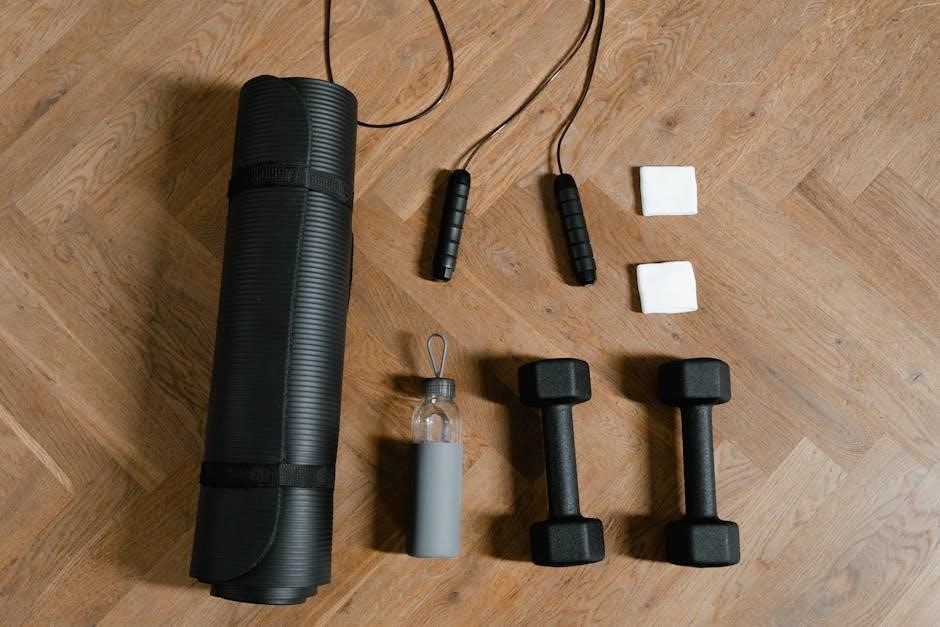
Planks are vital for core stability, directly impacting performance across all ACFT events. Add plank variations – side planks, plank jacks – to increase difficulty. Consistent practice of these exercises, combined with proper form, will significantly enhance your ACFT preparation.
Cardio Alternatives
When traditional running isn’t feasible, explore effective cardio alternatives to maintain ACFT endurance. High-intensity interval training (HIIT) using bodyweight exercises – burpees, mountain climbers, jumping jacks – provides a challenging workout. Stair climbing builds leg strength and cardiovascular fitness, mimicking the demands of the 2-mile run.

Cycling or swimming offer low-impact options, reducing stress on joints while improving stamina. Incorporate interval sessions into these activities for optimal results. Remember consistency is key; aim for at least three cardio sessions per week to prepare for the ACFT’s endurance component.

Tracking Progress and Adjusting the Plan

Consistent monitoring is crucial for ACFT success. Utilize a training journal to meticulously record sets, reps, weights, and times for each exercise. This data provides valuable insights into your progress and identifies areas needing improvement. Regularly assess performance metrics – deadlift max, push-up count, sprint times – to quantify gains.
Don’t hesitate to adjust the plan based on your results. If progress plateaus, consider increasing intensity, volume, or modifying exercises. Listen to your body and prioritize recovery to prevent overtraining. Download the Prep Journal for detailed tracking and analysis.
Using a Training Journal
A training journal is your cornerstone for ACFT improvement. Diligently record every workout detail: date, exercises performed, sets, repetitions, weight lifted, and rest times. Note perceived exertion levels and any pain or discomfort experienced. Track sprint-drag-carry times, plank hold durations, and 2-mile run paces.
This detailed log allows you to identify trends, pinpoint weaknesses, and measure progress objectively. Regularly review your journal to inform adjustments to your workout plan. The Prep Journal download offers a structured format for comprehensive data tracking and analysis, maximizing your ACFT preparation.
Monitoring Performance Metrics
Consistently track key ACFT event scores to gauge your progress. Record deadlift max weight, standing power throw distance, hand-release push-up repetitions, and sprint-drag-carry completion time. Monitor plank hold duration and 2-mile run time meticulously.
Compare these metrics week-to-week, looking for improvements. Analyze plateaus and identify areas needing focused attention. Utilize the Prep Journal to visualize your data and identify trends. Objective performance monitoring, combined with journal insights, ensures your ACFT workout plan remains effective and tailored to your individual needs.

Resources for ACFT Training
Boost your training with the SOFLETE App’s 10-day free trial, offering periodized workouts and tailored nutrition. Download the Prep Journal for detailed tracking!
SOFLETE App and Programs
Elevate your ACFT preparation with the SOFLETE App, offering a comprehensive suite of tactical fitness tools. Begin with a 10-day free trial to access periodized strength and conditioning workouts meticulously designed to enhance your performance. Beyond strength, the app provides daily mobility routines to improve flexibility and prevent injuries, crucial for tackling the ACFT’s diverse events.
Furthermore, SOFLETE delivers fully-tailored nutrition and meal plans, fueling your body optimally for intense training and recovery. Prehab programs are also included, proactively addressing potential weaknesses and ensuring you’re physically prepared. Specifically, explore the ACFT 6-Week Prep cycle within the Selection Team options, granting access to specialized training focused solely on conquering the test.
Prep Journal Download
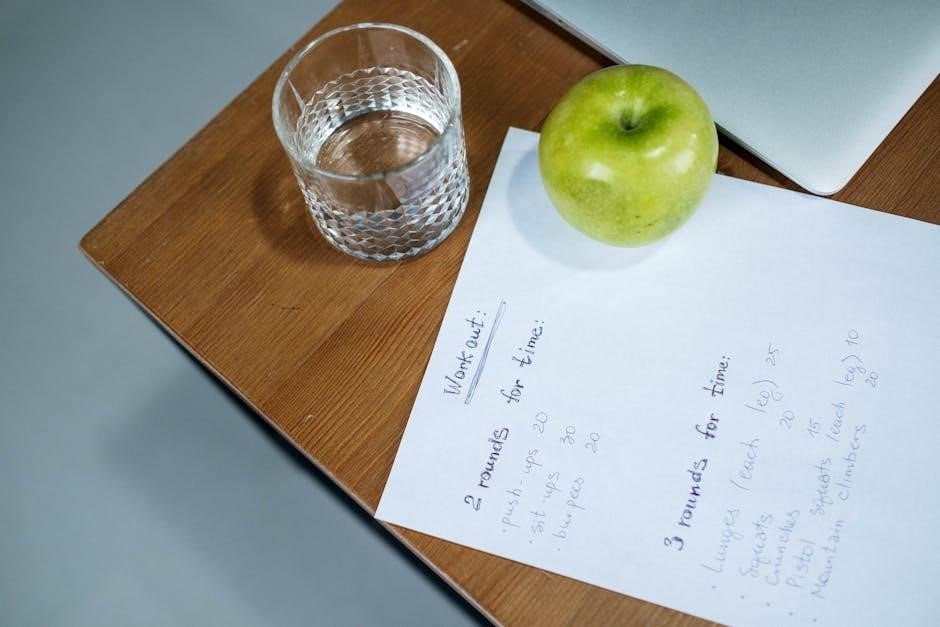
Maximize your ACFT training effectiveness by downloading the Prep Journal – a vital tool for meticulous data tracking and personalized progress monitoring. This journal isn’t just a logbook; it’s a strategic asset designed by Strength & Conditioning Coaches to help you understand your strengths and weaknesses.
Consistently record your performance metrics across each ACFT event, noting sets, reps, weights, and times. Analyze trends to identify areas needing improvement and adjust your workout plan accordingly. The Prep Journal facilitates a data-driven approach, ensuring your training remains focused and efficient, ultimately leading to optimal results and ACFT success.