
Guide to Physical Therapy Practice
The evolving landscape of physical therapy, exemplified by companies like Hinge Health’s recent IPO filing, demonstrates substantial growth and innovation within the field․
Revenue increases, such as the 33% jump to $390 million in 2024, highlight the expanding role of digital solutions and software-driven patient care approaches․
This guide will explore the core tenets, technological advancements, and practical considerations shaping modern physical therapy practice, offering insights for professionals and patients alike․
Physical therapy is a dynamic healthcare profession centered on the examination, evaluation, diagnosis, and intervention of impairments, functional limitations, and disabilities․ It empowers individuals to restore movement and function, reducing pain and preventing future injuries․ The field’s scope extends far beyond simply treating injuries; it encompasses a holistic approach to wellness, promoting optimal physical performance throughout the lifespan․

Recent trends, like the rise of digital physical therapy exemplified by companies such as Hinge Health, are reshaping traditional practice․ These innovations leverage technology to expand access to care, offering virtual sessions and personalized exercise programs․ The substantial revenue growth observed in these companies – a 33% increase to $390 million in 2024 – underscores the increasing demand for convenient and effective physical therapy solutions․
This evolving landscape necessitates a comprehensive understanding of both established principles and emerging technologies․ A successful physical therapy practice requires a blend of clinical expertise, compassionate care, and adaptability to the changing needs of patients and the healthcare system․
II․ Core Principles of Physical Therapy
At the heart of physical therapy lie several fundamental principles․ Patient-centered care is paramount, recognizing each individual’s unique needs, goals, and values․ Movement is central to restoring function, and interventions are designed to optimize biomechanics and promote efficient movement patterns․ Evidence-based practice guides clinical decision-making, utilizing the latest research to inform treatment strategies․
The profession emphasizes a holistic approach, considering the interconnectedness of the body’s systems and the impact of psychosocial factors on recovery․ Promoting independence and self-management is crucial, empowering patients to actively participate in their rehabilitation․ As seen with the growth of companies like Hinge Health, leveraging technology to enhance patient engagement and adherence to treatment plans is becoming increasingly important․
These core principles, combined with a commitment to ethical practice and ongoing professional development, form the foundation of effective and compassionate physical therapy care․
III․ The Role of Technology in Modern Practice
Technology is rapidly transforming physical therapy, expanding access to care and enhancing treatment effectiveness․ The rise of digital health platforms, like Hinge Health, demonstrates a clear trend towards software-driven rehabilitation programs․ These platforms offer personalized exercise plans, remote monitoring, and virtual support, increasing patient convenience and adherence․
Electronic Health Records (EHRs) streamline documentation, improve data management, and facilitate communication among healthcare providers․ Telehealth allows therapists to deliver care remotely, overcoming geographical barriers and reaching underserved populations․ Wearable sensors and motion capture technology provide objective data on patient movement, enabling more precise assessment and treatment planning․
The integration of these technologies is not merely about convenience; it’s about optimizing outcomes and creating a more efficient and patient-centric healthcare system․
A․ Telehealth and Virtual Physical Therapy
Telehealth and virtual physical therapy represent a significant shift in service delivery, offering convenience and accessibility previously unattainable․ Companies like Hinge Health are pioneering this space, utilizing software to deliver rehabilitation programs directly to patients’ homes․ This approach overcomes geographical limitations, benefiting individuals in rural areas or with mobility challenges․
Virtual sessions involve real-time video consultations, allowing therapists to assess patient progress and provide guidance remotely․ Digital exercise programs, often delivered through mobile apps, offer personalized routines and track adherence․ Telehealth isn’t a replacement for in-person care, but a valuable complement, particularly for follow-up appointments and ongoing maintenance․

Successful implementation requires secure platforms, robust data privacy measures, and a commitment to maintaining the quality of care․
B․ Electronic Health Records (EHR) and Data Management
The adoption of Electronic Health Records (EHR) is now standard practice in modern physical therapy, streamlining patient information and improving care coordination․ EHR systems facilitate secure storage of patient histories, assessment findings, treatment plans, and progress notes, replacing traditional paper-based records․
Effective data management is crucial, enabling therapists to track patient outcomes, identify trends, and demonstrate the value of interventions․ This data can also be utilized for research purposes, contributing to the advancement of the profession․ Integration with billing systems simplifies claims processing and reduces administrative burdens․
However, maintaining data security and ensuring HIPAA compliance are paramount․ Robust cybersecurity measures and regular staff training are essential to protect patient privacy․
IV․ Common Conditions Treated in Physical Therapy

Physical therapy addresses a remarkably diverse range of conditions, aiming to restore movement and function, and alleviate pain․ Musculoskeletal injuries, including sprains, strains, and fractures, are frequently treated through targeted exercise programs and manual therapy techniques․
Neurological conditions, such as stroke and spinal cord injury, benefit from rehabilitation focused on regaining motor control and improving independence․ Cardiopulmonary rehabilitation plays a vital role in helping patients recover from heart attacks, bypass surgery, or chronic lung diseases, enhancing their endurance and quality of life․
Beyond these, physical therapists also manage conditions like arthritis, back pain, and sports-related injuries, tailoring treatment plans to individual needs and goals․ The field’s adaptability ensures effective care across the lifespan․
A․ Musculoskeletal Injuries (Sprains, Strains, Fractures)
Musculoskeletal injuries represent a significant portion of physical therapy caseloads, encompassing sprains, strains, and fractures․ Treatment protocols are meticulously designed to reduce pain, swelling, and restore optimal joint mechanics․
For sprains and strains, early intervention focuses on the RICE protocol – Rest, Ice, Compression, and Elevation – alongside gentle range-of-motion exercises․ Fracture rehabilitation progresses from protected weight-bearing to strengthening exercises, gradually increasing functional demands․
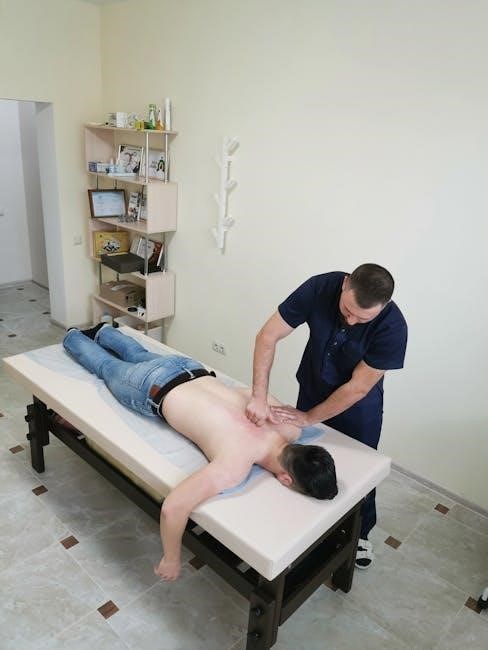
Manual therapy techniques, such as joint mobilization and soft tissue mobilization, are frequently employed to address stiffness and muscle imbalances․ Proprioceptive training, crucial for regaining balance and coordination, is also integrated․ The ultimate goal is a return to pre-injury activity levels․
B․ Neurological Conditions (Stroke, Spinal Cord Injury)
Physical therapy plays a vital role in rehabilitation following neurological events like stroke and spinal cord injury, aiming to maximize functional independence․ Treatment strategies are highly individualized, addressing impairments in motor control, balance, and coordination․
Post-stroke rehabilitation often involves constraint-induced movement therapy, encouraging use of the affected limb, and task-specific training to relearn daily activities․ For spinal cord injuries, therapy focuses on strengthening remaining musculature, adapting to assistive devices, and preventing secondary complications․
Neuromuscular re-education techniques help restore voluntary movement patterns․ Balance training and gait analysis are essential components, often utilizing advanced technologies․ The focus extends beyond physical recovery to encompass psychological support and community reintegration․
C․ Cardiopulmonary Rehabilitation
Cardiopulmonary rehabilitation is a medically supervised program designed to improve the cardiovascular health and functional capacity of individuals with heart or lung conditions․ Physical therapists are integral to these programs, developing exercise regimens tailored to each patient’s specific needs and limitations․
Exercise training focuses on improving endurance, strength, and breathing techniques․ Monitoring vital signs during exercise is crucial, ensuring patient safety and optimizing training intensity․ Education on lifestyle modifications, such as smoking cessation and dietary changes, is also a key component․

Breathing exercises and airway clearance techniques are utilized for patients with chronic obstructive pulmonary disease (COPD) or other respiratory illnesses․ The goal is to reduce symptoms, enhance quality of life, and promote long-term adherence to a healthy lifestyle․

V․ Assessment and Evaluation Procedures
A comprehensive assessment is the cornerstone of effective physical therapy․ It begins with a detailed patient history, gathering information about the onset, location, and characteristics of the patient’s condition, as well as their functional limitations and goals․
The subjective examination involves listening to the patient’s description of their symptoms and experiences․ This is followed by an objective examination, which includes measurable assessments like range of motion (ROM) testing, manual muscle testing to evaluate strength, and neurological screenings․
Special tests may be employed to identify specific impairments and rule out other potential diagnoses․ Accurate documentation of all findings is essential for developing an individualized treatment plan and tracking progress․
A․ Patient History and Subjective Examination

The initial patient encounter centers on a thorough patient history․ This involves detailed questioning about the patient’s current complaint, including its onset, location, duration, and any aggravating or relieving factors․ Understanding the patient’s past medical history, surgical interventions, and current medications is crucial․
The subjective examination delves into the patient’s functional limitations – how their condition impacts daily activities․ Social history, including occupation and recreational activities, provides context․
Pain scales and questionnaires help quantify the patient’s experience․ Active listening and empathetic communication are paramount to building rapport and obtaining a complete picture of the patient’s condition․ This information forms the foundation for objective testing and treatment planning․
B․ Objective Examination: Range of Motion, Strength, and Neurological Tests
Following the subjective assessment, the objective examination systematically evaluates the patient’s physical impairments․ Range of motion (ROM) is assessed using goniometry, measuring joint flexibility․ Muscle strength testing, often employing manual muscle testing (MMT), determines muscle weakness or imbalances․
Neurological tests assess sensation, reflexes, and nerve function, identifying potential neurological involvement․ Posture analysis and gait assessment reveal movement patterns and functional deficits․ Special tests are performed to rule out specific pathologies․
These objective measures provide quantifiable data to support the subjective findings․ Careful documentation of all test results is essential for tracking progress and adjusting the treatment plan․ The combination of subjective and objective findings guides the development of a targeted intervention strategy․
VI․ Treatment Techniques and Modalities
Physical therapy treatment encompasses a diverse range of techniques and modalities tailored to individual patient needs․ Manual therapy techniques, such as joint mobilization and soft tissue mobilization, address musculoskeletal dysfunction․ Therapeutic exercise programs focus on restoring strength, flexibility, and endurance, progressing from simple to complex movements․
Electrotherapy modalities, including ultrasound and electrical stimulation, manage pain and promote tissue healing․ Other modalities, like heat, ice, and traction, provide symptomatic relief․ Functional training replicates real-life activities, improving performance and independence․
Treatment plans are dynamic, adapting to patient progress and feedback․ The integration of technology, as seen with digital therapy platforms like Hinge Health, is expanding treatment options․ Patient education empowers self-management and long-term wellness․
A․ Manual Therapy Techniques
Manual therapy encompasses a spectrum of hands-on techniques aimed at addressing musculoskeletal dysfunction and pain․ Joint mobilization restores optimal joint mechanics by applying controlled forces to improve range of motion․ Soft tissue mobilization, including massage and myofascial release, alleviates muscle tension and reduces adhesions․
Manual traction gently separates joint surfaces, reducing compression and relieving nerve irritation․ Strain-counterstrain utilizes passive positioning to reduce muscle spasm and pain․ These techniques require a thorough understanding of anatomy and biomechanics․
The application of manual therapy is individualized, considering patient presentation and tolerance․ Digital health solutions, while growing, often complement rather than replace these hands-on skills․ Effective manual therapy enhances functional movement and improves quality of life․
B․ Therapeutic Exercise Programs
Therapeutic exercise forms the cornerstone of most physical therapy interventions, aiming to restore function, strength, and endurance․ Programs are meticulously designed, individualized to address specific patient deficits and goals․ Strengthening exercises improve muscle power and stability, while range-of-motion exercises restore joint flexibility․
Neuromuscular re-education focuses on retraining muscle activation patterns, crucial after neurological events․ Functional training replicates real-life movements, enhancing independence․ The rise of telehealth, as seen with companies like Hinge Health, incorporates remotely monitored exercise programs․
Progression is key, gradually increasing exercise intensity and complexity․ Patient education regarding proper form and home exercise adherence is vital for success․ These programs, combined with manual techniques, optimize recovery and prevent re-injury․
C․ Electrotherapy and Other Modalities
Electrotherapy encompasses a range of techniques utilizing electrical stimulation for therapeutic benefits․ Transcutaneous Electrical Nerve Stimulation (TENS) provides pain relief by modulating nerve signals․ Neuromuscular Electrical Stimulation (NMES) strengthens muscles and improves function, particularly after injury or surgery․
Other modalities include ultrasound, using sound waves for deep tissue heating and healing, and laser therapy, promoting tissue repair and reducing inflammation․ Heat and cold therapy are also frequently employed to manage pain and swelling․
The integration of technology, mirroring the advancements seen in companies like Hinge Health, allows for precise dosage and monitoring of these modalities․ These tools are often used adjunctively with exercise and manual therapy, enhancing overall treatment effectiveness and patient outcomes․
VII․ The Business Side of Physical Therapy Practice
Successfully navigating a physical therapy practice requires astute business acumen․ Billing and coding are critical, demanding precise documentation and adherence to insurance guidelines for accurate reimbursement․ Understanding CPT codes and payer policies is paramount․
Marketing and patient acquisition are essential for growth, especially in a competitive landscape․ Digital marketing strategies, including online presence and social media engagement, are increasingly vital․ The success of companies like Hinge Health demonstrates the power of reaching patients through innovative channels․
Financial management, including expense control and revenue cycle management, is crucial for sustainability․ Furthermore, building strong referral networks with physicians and other healthcare providers is key to a thriving practice․
A․ Billing and Coding Practices

Accurate billing and coding are foundational to a financially healthy physical therapy practice․ This involves a thorough understanding of Current Procedural Terminology (CPT) codes, International Classification of Diseases (ICD-10) codes, and payer-specific guidelines․
Detailed documentation of each patient encounter is essential to justify billed services․ Modifiers should be applied correctly to reflect the specific circumstances of treatment․ Staying current with coding updates and changes is crucial, as errors can lead to claim denials and audits․

Effective revenue cycle management includes timely claim submission, proactive follow-up on denied claims, and efficient patient billing processes․ The growth observed in companies like Hinge Health necessitates streamlined billing for digital services as well․
B․ Marketing and Patient Acquisition
Effective marketing is vital for attracting and retaining patients in a competitive physical therapy landscape․ A strong online presence, including a user-friendly website and active social media engagement, is paramount․
Content marketing, such as blog posts and informative videos, can establish expertise and build trust with potential patients․ Search Engine Optimization (SEO) strategies are crucial for improving online visibility․ Local marketing efforts, like community outreach and partnerships with physicians, can also drive patient referrals․
The rise of digital health, as seen with Hinge Health, highlights the importance of online advertising and virtual marketing strategies․ Patient testimonials and positive online reviews significantly influence patient acquisition decisions․
VIII․ Legal and Ethical Considerations
Physical therapy practice is governed by stringent legal and ethical guidelines designed to protect patient welfare and maintain professional integrity․ HIPAA compliance is non-negotiable, demanding meticulous safeguarding of patient health information and adherence to privacy regulations․
Maintaining a clear understanding of one’s scope of practice is crucial to avoid legal repercussions and ensure responsible patient care․ Practitioners must be aware of potential professional liability issues and secure adequate malpractice insurance․
Ethical considerations include informed consent, patient confidentiality, and avoiding conflicts of interest․ Staying current with evolving legal standards and ethical best practices is essential for responsible and sustainable practice․
A․ HIPAA Compliance and Patient Privacy
The Health Insurance Portability and Accountability Act (HIPAA) mandates strict adherence to patient privacy regulations within physical therapy practice․ Protected Health Information (PHI), encompassing medical records and personal details, requires robust security measures․
Practitioners must implement administrative, physical, and technical safeguards to prevent unauthorized access, use, or disclosure of PHI․ This includes secure data storage, encrypted communication channels, and limited access controls․
Regular staff training on HIPAA guidelines is paramount, alongside the implementation of policies addressing data breaches and patient rights․ Compliance extends to telehealth platforms and electronic health records (EHR) systems․ Failure to comply can result in substantial penalties and damage to professional reputation․
B․ Scope of Practice and Professional Liability
Clearly defining the scope of physical therapy practice is crucial for both patient safety and legal protection․ State licensure boards dictate permissible interventions and treatment modalities, varying by jurisdiction․
Practitioners must operate within these defined boundaries, avoiding practices outside their expertise or legal authorization․ Professional liability insurance is essential to mitigate financial risk associated with potential claims of negligence or malpractice․
Maintaining thorough documentation of patient evaluations, treatment plans, and progress notes is vital for demonstrating appropriate care․ Informed consent, obtained prior to treatment, outlines risks and benefits, fostering patient autonomy․ Staying current with evidence-based practice and continuing education minimizes liability and enhances patient outcomes․
IX․ Future Trends in Physical Therapy
The field of physical therapy is poised for significant transformation, driven by technological advancements and evolving healthcare needs․ Artificial Intelligence (AI) and machine learning are emerging as powerful tools for personalized treatment planning and predictive analytics․
AI can analyze patient data to identify patterns, optimize exercise prescriptions, and monitor progress with greater precision․ Personalized medicine, incorporating genetic considerations, promises tailored interventions based on individual predispositions and responses․
Furthermore, the expansion of telehealth and remote monitoring will continue to enhance access to care, particularly for underserved populations․ Virtual reality (VR) and augmented reality (AR) offer immersive therapeutic experiences, improving patient engagement and motivation․ These innovations will redefine the role of the physical therapist, emphasizing data analysis, technological proficiency, and patient-centered care․
A․ Artificial Intelligence (AI) and Machine Learning Applications
The integration of Artificial Intelligence (AI) and machine learning is revolutionizing physical therapy, offering unprecedented opportunities for enhanced patient care․ AI algorithms can analyze vast datasets of patient information – including movement patterns, medical history, and treatment responses – to predict outcomes and personalize interventions․
Machine learning models can identify subtle indicators of progress or regression, enabling therapists to adjust treatment plans proactively․ AI-powered tools can also automate repetitive tasks, such as exercise monitoring and data collection, freeing up therapists’ time for more complex patient interactions․
Furthermore, AI-driven virtual assistants can provide patients with remote support and guidance, improving adherence to exercise programs․ These technologies are not intended to replace therapists, but rather to augment their expertise and improve the efficiency and effectiveness of care․
B․ Personalized Medicine and Genetic Considerations
The future of physical therapy is increasingly focused on personalized medicine, recognizing that individuals respond differently to treatments based on their unique genetic makeup․ Genetic predispositions can influence factors like muscle fiber type, pain sensitivity, and healing rates, impacting rehabilitation outcomes․
Pharmacogenomics, the study of how genes affect a person’s response to drugs, may inform medication choices used in conjunction with physical therapy․ Understanding a patient’s genetic profile could allow therapists to tailor exercise prescriptions, manual therapy techniques, and other interventions for optimal effectiveness․
While still an emerging field, genetic testing and analysis are becoming more accessible, paving the way for more targeted and individualized rehabilitation programs․ This approach promises to maximize treatment benefits and minimize adverse effects, ultimately improving patient outcomes and quality of life;