Welcome! This manual unlocks your Hotpoint 7Kg washing machine’s potential‚ detailing features‚ installation‚ operation‚ and maintenance for seamless‚ safe use․
Understanding Your Model
Your Hotpoint 7Kg Manual washing machine is designed for efficient and reliable laundry care․ This guide‚ sourced from Manualzilla and similar resources‚ provides comprehensive operating instructions․ Familiarize yourself with its capabilities to maximize performance and longevity․
This model‚ identified by identifiers like manualzilla-id-7032777 and ark:/13960/t7xm9sk0v‚ offers various wash programmes tailored to different fabric types – from robust cottons to delicate silks and woollens․ Understanding these programmes‚ alongside temperature and spin speed options‚ is crucial․
Prioritize safety; this manual emphasizes secure installation and operation․ Regularly consult it for maintenance tips‚ troubleshooting common issues‚ and ensuring optimal functionality․ Proper use extends the machine’s lifespan and protects your garments․
Safety Precautions
Prioritize safety when operating your Hotpoint washing machine․ Always disconnect the appliance from the power supply before cleaning or maintenance‚ as detailed in the operating instructions․ Never attempt repairs yourself; contact qualified personnel․
Ensure proper grounding to prevent electric shock․ Keep children and pets away during operation․ Do not overload the machine‚ as this can cause damage or malfunction․ Avoid contact with water leaking from the appliance․
Refer to the manual (identifiers: manualzilla-id-7032777‚ ark:/13960/t7xm9sk0v) for specific warnings regarding detergent usage and appropriate load sizes․ Following these precautions guarantees safe and efficient laundry care‚ protecting both you and your machine․
Installation Guide
Proper installation is crucial for optimal performance․ This guide covers unpacking‚ positioning‚ water connections‚ and drainage setup for your new Hotpoint appliance․
Unpacking and Positioning
Carefully unpack your Hotpoint washing machine‚ removing all packaging materials – including transit bolts! These are vital to remove before operation to prevent damage․ Inspect the appliance thoroughly for any signs of transport damage․
Positioning is key: Ensure the machine stands on a firm‚ level surface․ Adjust the feet to eliminate any wobble․ Allow sufficient space around the machine for ventilation and easy access for maintenance – at least 10cm on each side is recommended․
Avoid direct sunlight and extreme temperatures․ The floor must be able to support the weight of the machine when fully loaded with laundry and water․ Incorrect positioning can lead to noise and instability during operation․
Connecting Water Supply
Connect the inlet hose to a cold water supply with sufficient pressure (see technical specifications)․ Ensure the hose is securely tightened to both the machine and the tap to prevent leaks․ Use only the supplied new hoses; do not reuse old ones․
Check for leaks immediately after connection․ If using a threaded tap connection‚ use PTFE tape to ensure a watertight seal․ A wall-mounted tap is preferable‚ but a tap connector can be used if necessary․
Avoid kinks or bends in the hose‚ as this can restrict water flow․ Regularly inspect the hose for cracks or damage and replace it if needed․ Proper water connection is crucial for optimal washing machine performance․
Drainage Setup
Proper drainage is essential for your washing machine’s operation․ Connect the drain hose to a standpipe with a diameter of at least 60mm‚ ensuring it’s securely fixed and positioned between 60-90cm above the floor․
Avoid excessive hose length or sharp bends‚ as these can impede drainage․ The hose should not be inserted too far into the standpipe‚ preventing siphoning․ Ensure the end of the hose isn’t submerged in water․
Regularly check the drain hose for blockages or kinks․ A blocked drain can cause water to overflow․ Secure the hose firmly to prevent it from dislodging during operation‚ ensuring efficient wastewater removal;
Control Panel Overview
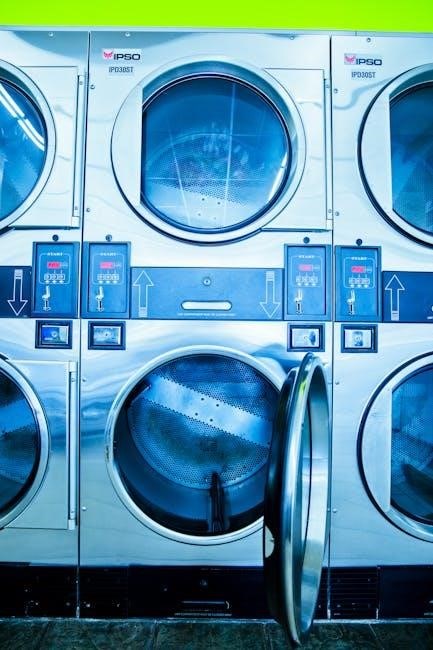
Explore the intuitive controls! The panel features a programme selector‚ temperature settings‚ spin speed options‚ and clear display indicators for effortless operation․
Programme Selector Dial
Navigating Wash Cycles: The Programme Selector Dial is your central control for choosing the appropriate wash cycle for your laundry․ Rotating the dial allows you to select from a variety of pre-set programmes designed for different fabric types and soil levels․
These programmes include options for cottons‚ delicates‚ woollens‚ synthetics‚ and quick washes․ Each programme is optimized for specific cleaning needs‚ ensuring effective and gentle care for your garments․ Carefully consider the fabric type and the level of dirtiness before selecting a programme․
The dial is clearly marked with symbols representing each programme‚ making selection straightforward․ Refer to the ‘Specific Wash Programmes’ section for detailed information on each cycle’s settings and recommended use․
Temperature Settings
Controlling Wash Heat: Your Hotpoint washing machine offers adjustable temperature settings to cater to various fabric types and cleaning requirements․ Lower temperatures are ideal for delicate fabrics like silk and wool‚ preventing shrinkage and damage․ Higher temperatures‚ typically used for cottons and whites‚ provide enhanced cleaning power for heavily soiled items․
The temperature options are usually indicated on the control panel with degrees Celsius (°C) or Fahrenheit (°F)․ Common settings include cold wash (typically 30°C or less)‚ warm wash (40°C)‚ and hot wash (60°C or higher)․
Always check the care label on your garments before selecting a temperature to avoid damaging the fabric․ Using the correct temperature ensures optimal cleaning results and prolongs the life of your clothes․
Spin Speed Options
Adjusting Water Extraction: Spin speed determines how much water is removed from your laundry during the final spin cycle․ Higher spin speeds result in drier clothes‚ reducing drying time‚ but can also cause more wrinkles․ Lower spin speeds are gentler on delicate fabrics‚ minimizing damage and creasing․
Your Hotpoint machine typically offers a range of spin speeds‚ measured in revolutions per minute (RPM)․ Options often include No Spin‚ Low Spin (400-800 RPM)‚ Medium Spin (800-1200 RPM)‚ and High Spin (1400 RPM or higher)․
Consider the fabric type when selecting a spin speed․ Delicates benefit from lower speeds‚ while sturdy items like towels can withstand higher speeds․ Always check garment care labels for specific recommendations․
Display Indicators
Decoding the Signals: Your Hotpoint washing machine’s display panel utilizes various indicators to communicate the machine’s status and cycle progress․ These indicators provide crucial information‚ ensuring optimal operation and allowing you to monitor the wash cycle effectively․
Common indicators include a ‘Start/Pause’ button illumination‚ cycle progress bars‚ remaining time displays‚ and error codes․ Symbols often represent specific functions‚ such as temperature settings‚ spin speed‚ and selected wash programme․
Familiarize yourself with these indicators to understand what the machine is doing at any given moment․ Error codes‚ if displayed‚ signal a problem requiring attention – consult the ‘Troubleshooting’ section for guidance․
Using Your Washing Machine
Effortless Cleaning: Properly load laundry‚ dispense detergent‚ select a programme‚ and start the cycle for optimal results with your Hotpoint appliance․
Loading the Laundry
Preparing for a Wash: Before loading‚ always empty all pockets‚ removing items like coins‚ keys‚ and pens to prevent damage to both the machine and your clothes․ Separate laundry by color – whites‚ lights‚ and darks – to avoid dye transfer․
Load Size Matters: Avoid overloading the drum‚ as this can hinder proper cleaning and potentially damage the machine․ Refer to the programme guide for recommended load capacities for each wash cycle․ Distribute items evenly around the drum to maintain balance during spinning․
Delicate Items: Place delicate garments‚ like lingerie or silk‚ inside a mesh laundry bag to protect them from snagging or tangling․ Ensure larger items‚ such as duvets or blankets‚ are not compressed and can move freely within the drum․
Detergent Dispenser
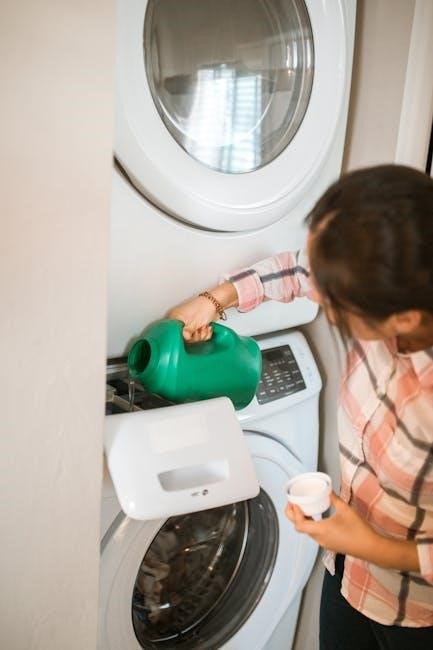
Understanding the Compartments: Your Hotpoint washing machine’s detergent dispenser typically features separate compartments for pre-wash detergent‚ main wash detergent‚ and fabric softener․ Refer to the symbols on the dispenser for correct placement․
Detergent Amounts: Use the recommended amount of detergent as indicated on the detergent packaging‚ adjusting based on load size and water hardness․ Overusing detergent can leave residue on clothes and in the machine․
Liquid vs․ Powder: Both liquid and powder detergents can be used․ For liquid detergents‚ ensure the dispenser cap is securely closed․ Avoid direct pouring onto the laundry․ Fabric softener should always be diluted with water before adding to its designated compartment․

Selecting a Wash Programme
Programme Dial: Utilize the programme selector dial to choose the most appropriate wash cycle for your laundry․ Options include Cotton‚ Delicates‚ Wool‚ Quick Wash‚ and Eco programmes‚ each tailored for specific fabric types and soil levels․
Fabric Care: Carefully consider the fabric type and care label instructions before selecting a programme․ Delicate items require gentler cycles‚ while heavily soiled items benefit from more intensive washes․
Customization: Many programmes allow customization of temperature and spin speed․ Adjust these settings to optimize cleaning performance and protect your garments․ Refer to the programme guide for detailed descriptions of each cycle․
Starting and Pausing a Cycle
Initiating a Wash: Once the desired programme‚ temperature‚ and spin speed are selected‚ press the ‘Start/Pause’ button to begin the washing cycle․ The machine will automatically fill with water‚ wash‚ rinse‚ and spin the laundry․
Mid-Cycle Adjustments: To pause the cycle‚ press the ‘Start/Pause’ button again․ This allows for adding or removing items‚ or adjusting settings if needed․ Be aware that pausing may affect the cycle duration․
Cycle Completion: Upon completion‚ the machine will beep‚ and the display will indicate the end of the cycle․ Immediately remove the laundry to prevent creasing and mildew․
Specific Wash Programmes
Explore tailored washes! Your Hotpoint machine offers programmes for cotton‚ delicates‚ wool‚ quick washes‚ and eco-friendly cycles‚ optimizing cleaning performance․
Cotton Programme
Ideal for everyday cottons and linens‚ the Cotton Programme delivers powerful cleaning while maintaining fabric integrity․ This programme utilizes a higher wash temperature and more vigorous agitation to effectively remove dirt and stains from robust cotton items like t-shirts‚ bedsheets‚ and towels․
To utilize this programme: Ensure items are sorted correctly‚ load the machine appropriately‚ and select the desired temperature – typically between 40°C and 90°C depending on the soiling level and fabric care label instructions․ Adjust the spin speed to suit the fabric; higher speeds extract more water but can cause increased creasing․ The Cotton Programme is a versatile option for your daily laundry needs‚ providing excellent results with minimal effort․
Delicates/Silk Programme
Designed for gentle care‚ the Delicates/Silk Programme is perfect for lingerie‚ silk garments‚ and other fragile fabrics․ This programme employs a lower wash temperature‚ reduced agitation‚ and a slower spin speed to prevent damage and maintain the delicate structure of these materials․
For optimal results: Always place delicate items inside a mesh laundry bag to further protect them during the wash cycle․ Use a mild detergent specifically formulated for delicates․ Select a low temperature‚ typically 30°C or below‚ and a reduced spin speed․ Avoid overloading the machine‚ as this can cause excessive friction and potential damage․ This programme ensures your most treasured garments receive the gentle treatment they deserve․
Wool Programme
Specifically engineered for woollen items‚ the Wool Programme provides a gentle yet effective cleaning action‚ preventing shrinkage and preserving the natural softness of your garments․ This programme utilizes a very low wash temperature and minimal agitation to protect the delicate wool fibres․
To ensure optimal care: Always check the garment’s care label before washing․ Use a detergent specifically designed for woollens‚ avoiding those containing enzymes or bleach․ Select a cold water temperature (typically 30°C or below) and a reduced spin speed․ Avoid overloading the machine to allow for proper cleaning and rinsing․ This programme is ideal for sweaters‚ scarves‚ and other woollen favourites‚ keeping them looking and feeling their best․
Quick Wash Programme
Designed for lightly soiled laundry‚ the Quick Wash Programme offers a fast and efficient cleaning solution when time is of the essence․ This programme significantly reduces the wash cycle duration‚ typically completing a load in under 30 minutes‚ making it perfect for freshening up clothes you plan to wear soon․
For best results: Limit the load size to avoid overcrowding․ Use a small amount of liquid detergent‚ and avoid using fabric softener as it may not rinse completely in the shorter cycle․ This programme is ideal for synthetic fabrics‚ t-shirts‚ and everyday items that require a quick refresh‚ providing convenience without compromising cleanliness․ Remember‚ it’s best suited for items that aren’t heavily stained․
Eco Programme
Prioritizing energy efficiency‚ the Eco Programme delivers excellent washing performance while minimizing water and electricity consumption․ This programme operates at a lower temperature and utilizes optimized wash cycles‚ aligning with sustainable practices and reducing your environmental impact․ It’s designed for cottons and mixed fabrics with normal soiling levels․
To maximize effectiveness: Fully load the machine‚ but avoid overloading․ Use the recommended amount of detergent‚ as the programme is optimized for lower temperatures․ While the cycle duration may be longer than other programmes‚ the energy savings are substantial․ Choosing the Eco Programme demonstrates a commitment to responsible laundry habits‚ benefiting both your wallet and the planet․ It’s a smart choice for everyday washing․
Maintenance and Cleaning
Regular upkeep ensures optimal performance and longevity of your Hotpoint washing machine; cleaning the drawer‚ drum‚ filter‚ and descaling are crucial steps․
Cleaning the Detergent Drawer
Maintaining a clean detergent drawer is vital for optimal washing machine performance․ Over time‚ detergent and fabric softener residues can build up‚ leading to blockages and reduced cleaning effectiveness․ To clean‚ carefully remove the drawer – usually by pressing a release button or lever․ Rinse thoroughly under warm running water‚ using a soft brush to dislodge any stubborn deposits․ Pay particular attention to the compartments for pre-wash‚ main wash‚ and fabric softener․
For heavily soiled drawers‚ soaking in warm‚ soapy water for approximately 30 minutes can help loosen residue․ Ensure all traces of soap are rinsed away before reinserting the drawer․ Regular cleaning – ideally every month or more frequently with heavy use – prevents issues and ensures your washing machine operates efficiently‚ delivering the best possible results for your laundry․
Cleaning the Drum
Regular drum cleaning is crucial for maintaining hygiene and preventing unpleasant odors within your Hotpoint washing machine․ To clean‚ run an empty wash cycle at a high temperature – typically 90°C – using a washing machine cleaner or a cup of white vinegar․ This helps to dissolve detergent residue‚ limescale‚ and mildew that can accumulate over time․
Ensure the drum is empty before starting the cycle․ After the cycle completes‚ wipe down the drum interior with a clean‚ damp cloth․ For persistent odors or visible mold‚ repeat the cleaning process․ Performing this drum clean monthly‚ or more often with frequent use‚ keeps your machine fresh and extends its lifespan‚ ensuring consistently clean laundry․
Cleaning the Filter
Regular filter cleaning prevents blockages and ensures efficient drainage in your Hotpoint washing machine․ Locate the filter access panel‚ usually at the bottom front of the machine․ Have a shallow container and towels ready to catch any residual water․ Carefully unscrew and remove the filter – it may contain small objects like coins or lint․
Clean the filter thoroughly under running water‚ removing all debris․ Inspect the filter housing for any obstructions and clear them․ Reinsert the filter securely‚ ensuring it’s properly sealed to prevent leaks․ Cleaning the filter every few months‚ or after washing particularly dirty loads‚ maintains optimal performance and avoids potential damage․
Descaling the Machine
Over time‚ limescale can build up inside your Hotpoint washing machine‚ reducing its efficiency and lifespan; Descaling removes these deposits‚ maintaining optimal performance․ Use a commercially available descaler specifically designed for washing machines‚ following the product instructions carefully․ Typically‚ this involves adding the descaler to the detergent dispenser and running an empty hot wash cycle․
Alternatively‚ you can use white vinegar – pour two cups into the detergent drawer and run a hot‚ empty cycle․ Repeat if necessary for heavily scaled machines․ Regular descaling‚ every 3-6 months depending on water hardness‚ prevents damage and ensures your machine operates efficiently․
Troubleshooting Common Issues
Facing problems? This section provides solutions for typical issues like the machine not starting‚ water draining problems‚ error codes‚ and leaks․
Machine Not Starting
Possible Causes: If your Hotpoint washing machine fails to start‚ first verify the power supply․ Ensure the machine is correctly plugged into a functioning socket and that the power switch is turned on․ Check your home’s circuit breaker or fuse box to rule out a tripped breaker or blown fuse․
Door Lock: The door must be securely closed for the cycle to begin․ The machine won’t start if the door lock isn’t engaged․ Attempt to gently close the door again‚ ensuring it latches properly․
Control Panel Lock: Some models feature a control panel lock․ Deactivate this lock if it’s enabled‚ as it prevents operation․ Consult your model’s specific instructions for unlocking the panel․
Water Supply: Insufficient water pressure can also prevent the machine from starting․ Confirm the water taps are fully open․
Water Not Draining
Possible Causes: If water remains in your Hotpoint washing machine after a cycle‚ the drain hose is the first area to inspect․ Ensure it isn’t kinked‚ twisted‚ or blocked․ Verify the hose is positioned correctly – not too high or too low – as improper placement can hinder drainage․
Filter Check: A clogged drain filter is a common culprit․ Locate and carefully clean the filter‚ removing any lint‚ debris‚ or small objects․ Refer to the ‘Cleaning the Filter’ section for detailed instructions․
Drain Pump: In some cases‚ the drain pump itself may be faulty․ If cleaning the filter doesn’t resolve the issue‚ professional repair may be necessary․
Error Codes Explained
Decoding Alerts: Your Hotpoint washing machine utilizes error codes to signal specific issues․ These codes appear on the display panel‚ providing a quick diagnostic tool․ A common code‚ ‘F01’‚ often indicates a water supply problem – check the inlet hose and water pressure․
‘F02’ typically signals a drainage issue‚ prompting you to inspect the drain hose and filter for blockages․ Refer to the ‘Water Not Draining’ section for troubleshooting steps․ Other codes may relate to motor faults or sensor malfunctions․
Consult the Full List: For a comprehensive list of error codes and their corresponding solutions‚ consult the detailed troubleshooting guide within this manual or visit the Hotpoint support website․
Leaking Water
Addressing Leaks: Discovering a leak requires immediate attention․ First‚ ensure the water supply tap is fully closed to halt further leakage․ Inspect the inlet and drain hoses for cracks‚ loose connections‚ or damage – tighten connections or replace hoses as needed․
Check the Door Seal: Examine the rubber door seal for tears or debris‚ cleaning it thoroughly․ A faulty seal can cause significant leakage during operation․ Also‚ verify the detergent drawer is correctly inserted and not overflowing․
Internal Issues: If the leak persists‚ it may indicate an internal component failure‚ requiring professional assistance․ Do not attempt to disassemble the machine yourself․
Technical Specifications
Key Details: This Hotpoint 7Kg model boasts specific dimensions‚ weight‚ and an energy efficiency rating – crucial for installation and optimal performance․
Dimensions and Weight
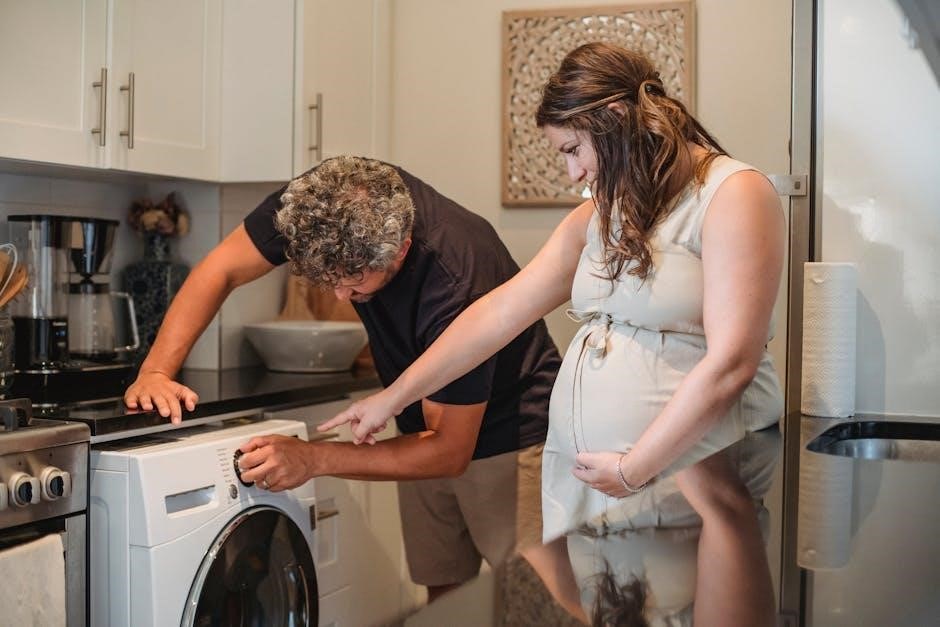
Understanding the Physical Specifications: Accurate dimensions and weight are vital for proper installation and ensuring the washing machine fits comfortably within your laundry space․ This Hotpoint 7Kg model requires sufficient clearance for water connections‚ drainage‚ and ventilation․
Typically‚ the machine’s height ranges between 85 and 90 centimeters‚ the width around 60 centimeters‚ and the depth approximately 60-65 centimeters․ However‚ always refer to the specific model number detailed on the product label or within the accompanying documentation for precise measurements;
The weight of the washing machine‚ when empty‚ generally falls between 60 and 70 kilograms․ This is an important consideration when moving the appliance‚ requiring at least two people for safe handling to prevent injury or damage․
Energy Efficiency Rating
Maximizing Savings and Sustainability: The energy efficiency rating is a crucial factor when selecting a washing machine‚ impacting both your utility bills and environmental footprint․ Hotpoint designs its machines with energy conservation in mind‚ striving for optimal performance with minimal consumption․
This 7Kg model likely boasts an energy efficiency class of A+++ or similar‚ indicating excellent performance․ Look for the EU Energy Label‚ displaying annual energy consumption in kilowatt-hours (kWh)․ Lower kWh values signify greater efficiency․
Utilizing eco-programmes and washing at lower temperatures further reduces energy usage․ Regularly maintaining the machine‚ like cleaning the filter‚ also contributes to sustained efficiency and prolongs the appliance’s lifespan․