
Self-Guided Cape to Cape Walk: A Comprehensive Plan
Embark on an unforgettable journey along Western Australia’s iconic coastline, experiencing the 135km Cape to Cape Track with tailored self-guided adventures.
Overview of the Cape to Cape Track
The Cape to Cape Track is a breathtaking 135-kilometer (approximately 84 miles) hiking trail stretching between Cape Naturaliste and Cape Leeuwin in Western Australia’s Margaret River region. This remarkable path offers a diverse experience, meandering along stunning beaches, dramatic cliff tops, and through pristine coastal landscapes. It’s renowned for its spectacular views of the Indian Ocean and the unique beauty of the Margaret River coastline.
The track caters to various fitness levels, particularly when undertaken as a self-guided walk with graded stages and a daypack. It’s an immersive experience, allowing hikers to connect with the region’s geology, flora, fauna, and rich Indigenous culture. The Cape to Cape Track promises an unforgettable adventure for those seeking a blend of natural beauty and physical challenge.
Track Length and Duration
The Cape to Cape Track spans an impressive 135 kilometers (84 miles) along the Western Australian coastline; Self-guided walks are incredibly flexible, offering durations ranging from 3 to 7 days, allowing hikers to tailor the experience to their fitness and time constraints. A 3-day “Highlights Walk” focuses on the most scenic sections, while a 5-day option provides a more comprehensive overview.
For those seeking a full immersion, 6 or 7-day itineraries cover the entire track. Daily walking distances vary depending on the chosen itinerary, typically ranging from 10 to 25 kilometers. The duration also depends on the level of support chosen – fully supported options with luggage transfer and pre-prepared meals allow for longer daily distances.
Fitness Level Required
The Cape to Cape Track is generally considered moderate in difficulty, making it accessible to individuals with a reasonable level of fitness. While no specialized mountaineering skills are needed, a good base level of cardiovascular fitness is essential, as the track involves varied terrain including beaches, cliff-tops, and some undulating sections.
Being able to comfortably walk for several hours each day, carrying a daypack, is crucial. Preparation is key; building up stamina with regular walks in the months leading up to the trek is highly recommended. Those choosing longer itineraries (6-7 days) will require a higher level of endurance. A moderate fitness level, combined with adequate preparation, will ensure an enjoyable and rewarding experience.
Planning Your Self-Guided Walk
Careful planning is paramount for a successful self-guided Cape to Cape Track experience. Determine your desired duration – 3, 5, 6, or 7 days – and choose a reputable tour operator like Cape to Cape Explorer Tours or Cape2Camp to handle logistics. Booking accommodation and luggage transfer services in advance is essential, especially during peak season.
Consider your fitness level when selecting an itinerary. Familiarize yourself with the track’s sections and potential challenges. Pre-prepared meals and quality gear options offered by tour operators can significantly simplify your trip. Download maps and track notes, and inform someone of your itinerary. Thorough preparation ensures a relaxing immersion in the stunning Margaret River coastline’s geology, flora, and fauna.
Choosing a Tour Operator (Cape to Cape Explorer Tours & Cape2Camp)
Selecting the right tour operator is crucial for a seamless self-guided Cape to Cape Walk. Cape to Cape Explorer Tours and Cape2Camp are specialists in this region, offering a range of packages from 3 to 7 days. Both provide logistical support, including daily pick-up and drop-off services, eliminating the need to carry heavy camping gear.
Cape2Camp excels in fully organised, all-inclusive experiences, providing pre-prepared meals and quality gear. Cape to Cape Explorer Tours focuses on comfortable accommodation and knowledgeable support. Consider your preferences – do you prefer walk-in, walk-out campsites or organised lodging? Both companies cater to varying fitness levels and offer options to immerse yourself in the landscape’s geology, flora, fauna, and indigenous culture.
Accommodation Options
Accommodation along the Cape to Cape Track varies significantly, catering to diverse preferences and budgets. Tour operators like Cape to Cape Explorer Tours and Cape2Camp expertly handle bookings, relieving you of this logistical burden. Options range from comfortable hotels and guesthouses in Margaret River towns to cosy bed and breakfasts nestled closer to the trail.
Cape2Camp also provides fully-equipped campsites, strategically located near the track for a more immersive experience. These walk-in, walk-out sites are pre-setup, offering convenience without sacrificing connection to nature. Expect a blend of charming coastal retreats and inland hospitality. Pre-booking is essential, especially during peak season, to secure your preferred lodging and ensure a restful experience after each day’s hike.
Daily Itinerary Considerations
Planning each day’s walk requires careful consideration of distance, terrain, and personal fitness levels. The Cape to Cape Track offers graded stages, allowing hikers with moderate fitness to complete sections comfortably. Tour operators provide detailed itineraries, but flexibility is key. Consider beach walking conditions – tides can impact accessibility – and cliff-top sections which demand more energy.
Daily distances typically range between 10-20km, but can be adjusted. Factor in time for breaks, enjoying the scenery, and potential detours to explore hidden beaches or viewpoints. Remember that luggage transfer services are available, meaning you only carry a daypack. Prioritize starting early to avoid the midday heat, especially during summer months, and always check weather forecasts before setting off.

3-Day Highlights Walk
Experience the most scenic sections of the Cape to Cape Track with a condensed 3-day highlights walk, perfect for those with limited time. This option focuses on the track’s most visually stunning areas, offering a taste of the diverse coastal landscapes. Expect to cover approximately 30-40km over three days, with carefully selected routes showcasing pristine beaches, dramatic cliffs, and unique geological formations.
Typically, this itinerary includes sections near Yallingup, Smiths Beach, and potentially around Injidup Natural Spa. Accommodation is pre-booked, and luggage transfers are arranged, allowing for comfortable, unencumbered hiking. This shorter walk provides an excellent introduction to the Cape to Cape Track, leaving you wanting to explore more of this remarkable region.
5-Day Self-Guided Highlights Walk
Delve deeper into the beauty of the Cape to Cape Track with our popular 5-day self-guided highlights tour. This itinerary balances manageable daily distances with immersive exploration, covering roughly 65-75km of the trail. It’s designed for hikers seeking a more substantial experience without committing to the full track.
Expect to encounter a wider variety of landscapes, including secluded beaches, rugged headlands, and pockets of native forest. Pre-arranged accommodation and daily luggage transfers ensure a comfortable journey. This walk typically includes sections around Yallingup, Smiths Beach, Injidup, and potentially extending towards Prevelly. It’s a relaxing discovery of Western Australia’s legendary coastline, offering ample time to appreciate the flora, fauna, and geological wonders.
6-7 Day Full Track Walk
Challenge yourself with the ultimate Cape to Cape experience – a 6 or 7-day self-guided trek covering the entire 132-135km length of the track. This option is ideal for seasoned hikers seeking a comprehensive immersion in the region’s natural beauty and a true sense of accomplishment.
Expect varied terrain, from coastal heathlands and pristine beaches to challenging cliff-top sections and forested trails. Daily distances will be longer, requiring a good level of fitness and preparation. We handle all logistics, including accommodation bookings and luggage transfers, allowing you to focus on the walk itself. Immerse yourself in the geology, flora, fauna, and indigenous culture, experiencing the full spectrum of this stunning landscape, from Cape Naturaliste to Cape Leeuwin.
What’s Included in Self-Guided Packages
Our self-guided packages are designed for a seamless and enjoyable experience, taking care of all the essential details. Included are pre-booked accommodations, ranging from comfortable hotels to cozy guesthouses, strategically located along the track. Daily luggage transfers ensure you only carry a lightweight daypack, maximizing your comfort on the trail.
Furthermore, you’ll receive detailed route notes, maps, and information about the local environment, geology, flora, and fauna. Options include pre-prepared meals delivered to your accommodation or campsites, and access to quality hiking gear if needed. We provide daily pick-up and drop-off services, eliminating the need for complex transportation arrangements, allowing you to fully immerse yourself in the walk.
Luggage Transfer Services
Enjoy the freedom of the trail without the burden of a heavy pack! Our comprehensive luggage transfer service is a cornerstone of our self-guided Cape to Cape Track experiences. Each day, we efficiently transport your main luggage between accommodations, ensuring it’s waiting for you upon arrival at your next destination.
This service allows you to walk with only a lightweight daypack, carrying essentials like water, snacks, sunscreen, and a camera. We handle the logistics, providing a reliable and stress-free solution. Our experienced team coordinates seamless transfers, allowing you to focus entirely on enjoying the stunning coastal scenery and immersive natural beauty of the Margaret River region. It’s a key element in making your walk truly enjoyable and accessible.
Pre-Prepared Meals and Quality Gear
Elevate your self-guided Cape to Cape Track experience with our thoughtfully curated meal options and premium gear packages. Forget the hassle of meal planning and grocery shopping – we offer delicious, pre-prepared meals delivered directly to your accommodation or even to designated points along the trail.
Choose from a variety of dietary options to suit your preferences and needs. Beyond meals, we provide access to high-quality hiking gear, ensuring you’re equipped for comfort and safety. This includes options for renting backpacks, hiking poles, and other essential equipment. We aim to provide a fully supported experience, allowing you to focus on the walk itself, immersed in the stunning landscapes of Western Australia, without worrying about logistics.
The Landscape and Environment
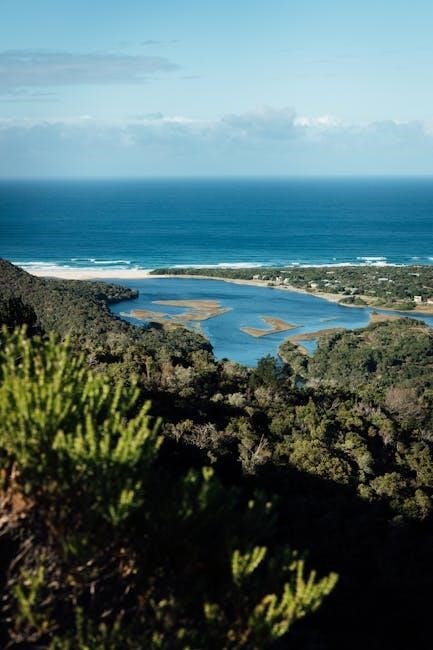
The Cape to Cape Track traverses a remarkably diverse and breathtaking landscape, showcasing the natural beauty of the Margaret River region. Prepare to be captivated by towering forests that give way to pristine, white-sand beaches, creating a stunning contrast. Ancient granite formations punctuate the coastline, adding to the dramatic scenery.
Throughout your journey, you’ll encounter a vibrant display of wildflowers and orchids, particularly during the spring months. The region is also rich in fauna, offering opportunities to spot native wildlife. Immerse yourself in the geological wonders and learn about the rich indigenous culture deeply connected to this land. This walk is a true celebration of Western Australia’s natural heritage, a feast for the senses at every turn.
Coastal Scenery and Beaches
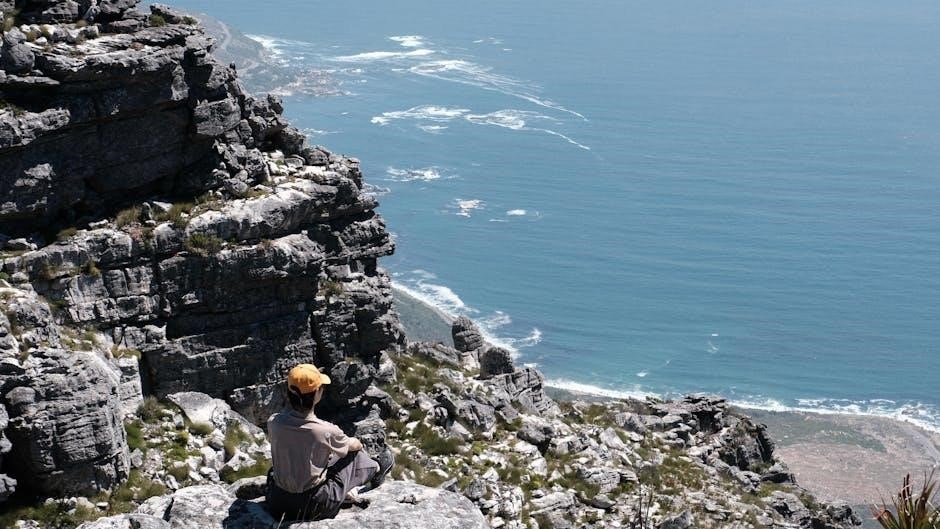
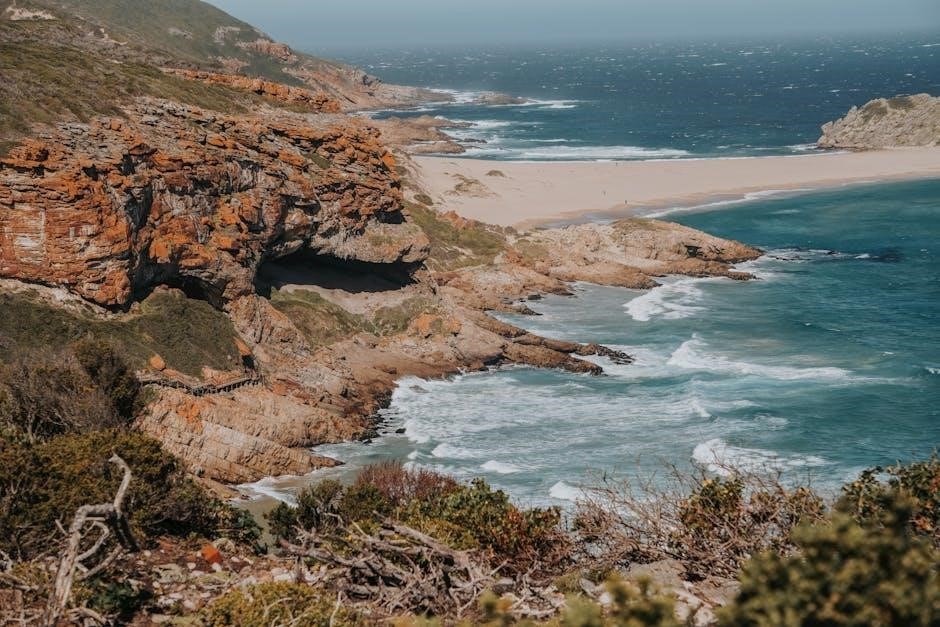
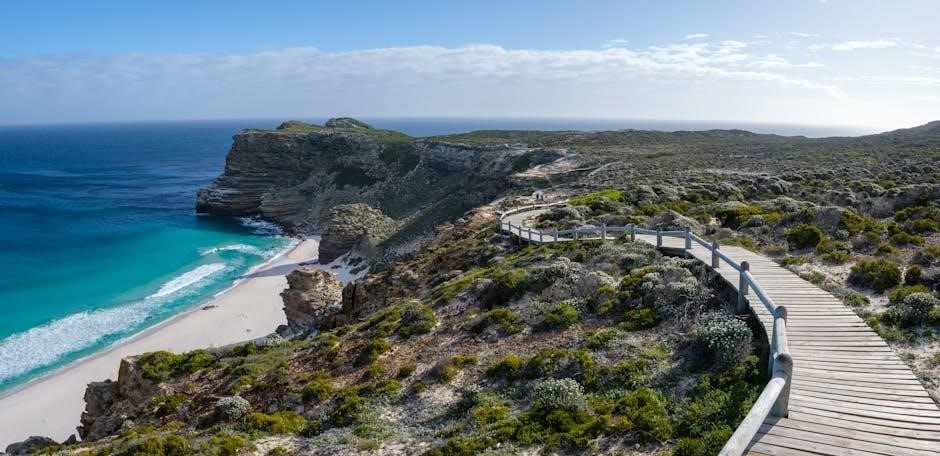
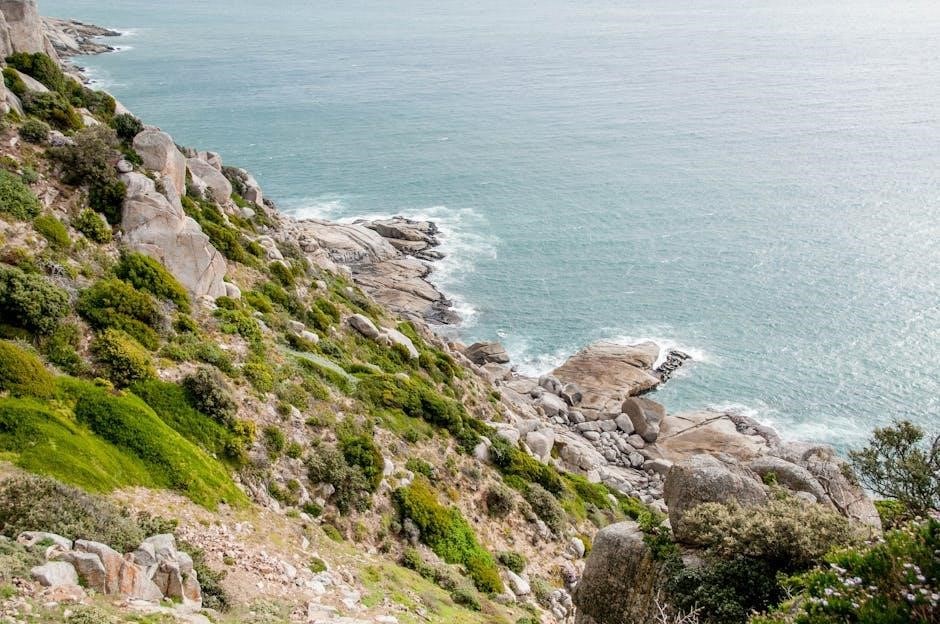
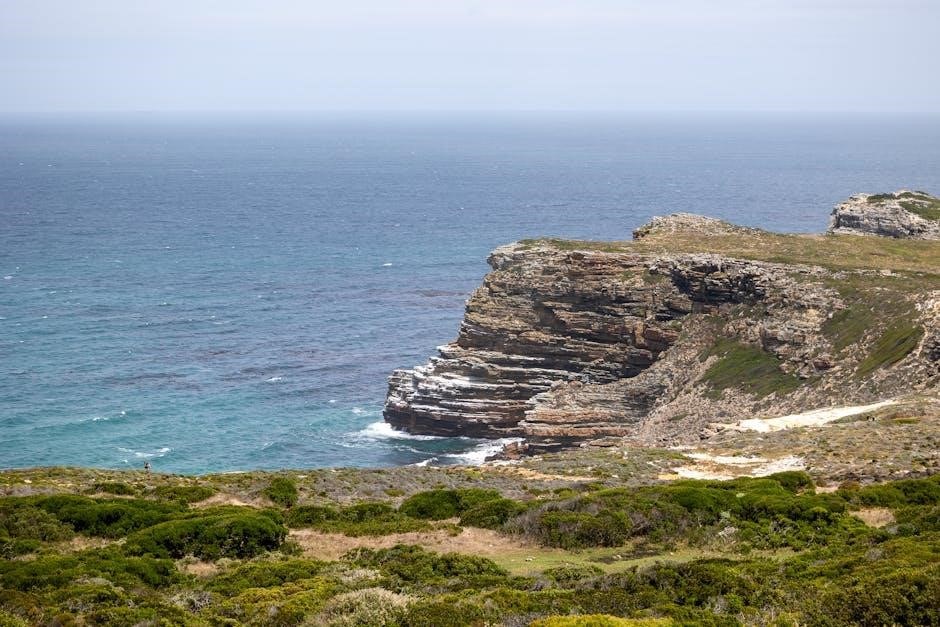
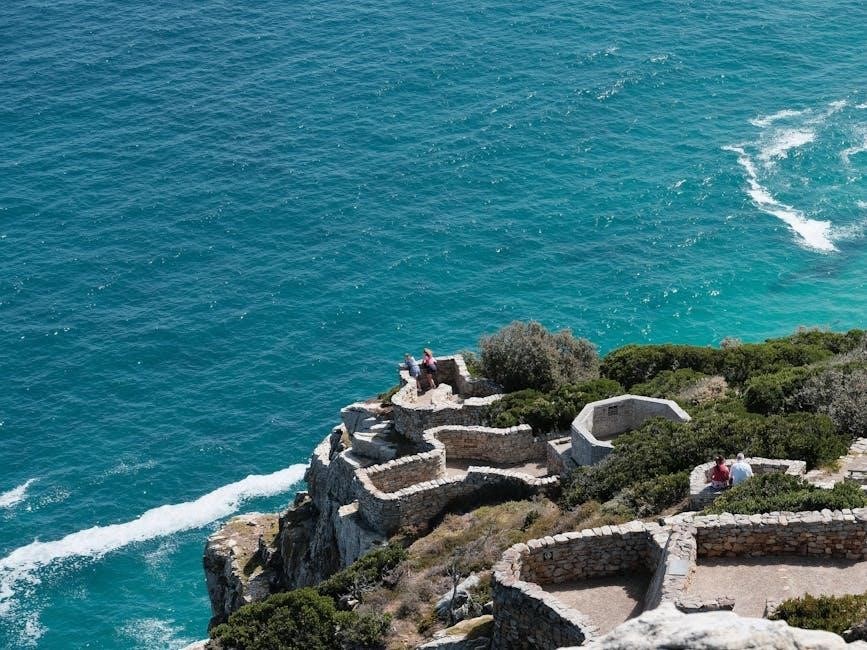
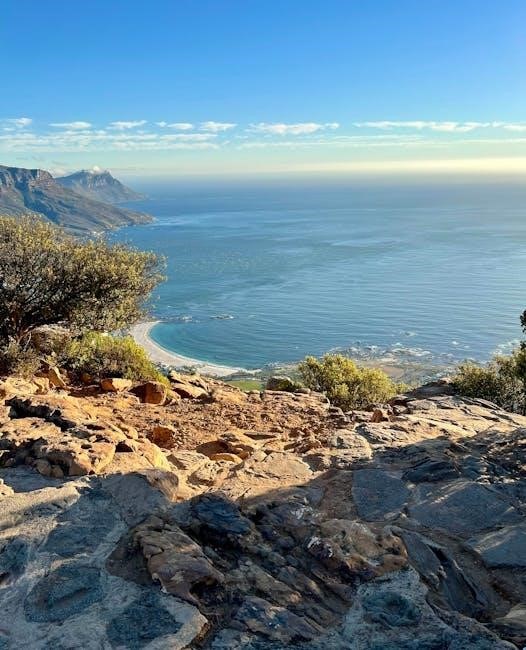
The Cape to Cape Track is renowned for its spectacular coastal scenery, offering unparalleled views of the Indian Ocean. The trail frequently meanders along dramatic cliff-tops, providing panoramic vistas of the Margaret River coastline. Below, pristine beaches beckon, sometimes accessible for a refreshing dip or a leisurely stroll along the shore.
Expect to encounter a variety of beach types, from sheltered bays to rugged, windswept stretches of sand. The turquoise waters are often teeming with marine life, and you might even spot whales during migration season. The constant sound of the waves and the salty sea air create a truly invigorating experience. This coastal walk is a photographer’s dream and a nature lover’s paradise.
Flora and Fauna
The Cape to Cape Track traverses a diverse ecosystem, showcasing Western Australia’s unique flora and fauna. Towering forests of karri and jarrah trees provide a stunning backdrop to the coastal scenery, while wildflowers and orchids carpet the landscape during spring. Keep an eye out for native birds, including colourful parrots and majestic eagles soaring overhead.
Wildlife encounters are common, with opportunities to spot kangaroos, wallabies, and possums. The surrounding waters are home to a variety of marine life, including dolphins, seals, and whales. The region’s biodiversity is truly remarkable, offering a captivating experience for nature enthusiasts. Immerse yourself in the natural beauty and discover the wonders of this pristine environment.
Geology and Indigenous Culture
The Cape to Cape Track’s landscape is a testament to ancient geological forces, featuring towering granite formations and dramatic coastal cliffs. Explore the remnants of a rich geological history, shaped over millions of years. Equally significant is the area’s deep connection to Indigenous culture.
For millennia, the Wadandi people have been the traditional custodians of this land, leaving behind a legacy of stories, knowledge, and cultural sites. Discover evidence of their presence and learn about their enduring relationship with the environment. Immerse yourself in the cultural heritage of the region, gaining a deeper understanding of its history and significance. Respectful exploration enhances the journey.
Essential Gear and Preparation
Proper preparation is key to enjoying your self-guided Cape to Cape Walk. A well-chosen daypack is crucial, holding essentials like water, snacks, a first-aid kit, sunscreen, and a map. Comfortable, broken-in hiking boots are non-negotiable, protecting your feet over varied terrain.
Layered clothing is recommended, adapting to changing weather conditions. Pack rain gear, a hat, and sunglasses. Consider trekking poles for added stability. Before you go, ensure you’re physically prepared for moderate daily distances. Familiarize yourself with the track and potential hazards. Thorough planning ensures a safe and rewarding experience, maximizing enjoyment of the stunning scenery.
Daypack Essentials
Your daypack will be your constant companion on the Cape to Cape Track, so pack strategically! Hydration is paramount – carry at least 2-3 liters of water, or a hydration reservoir. High-energy snacks like trail mix, energy bars, and fruit are vital for sustained energy levels throughout the day.
A comprehensive first-aid kit is non-negotiable, including blister treatment, pain relievers, and antiseptic wipes. Sun protection is crucial: sunscreen, a hat, and sunglasses are essential. Don’t forget a detailed map, compass (or GPS device), and a fully charged portable power bank for your phone. A lightweight rain jacket and a headlamp complete the essential kit, ensuring you’re prepared for any eventuality.
Appropriate Clothing and Footwear
Selecting the right clothing and footwear is critical for comfort and safety on the Cape to Cape Track. Invest in quality hiking boots that are well broken-in to prevent blisters. Moisture-wicking socks are essential to keep your feet dry and comfortable. Layering is key – pack lightweight, breathable layers that can be adjusted to changing weather conditions.
Consider quick-drying hiking pants or shorts, and a long-sleeved shirt for sun protection and warmth. A waterproof and windproof jacket is a must-have, even during warmer months. A hat and gloves can provide extra protection in cooler weather. Avoid cotton clothing, as it retains moisture and can lead to discomfort. Prioritize comfort and functionality over fashion!
Safety Considerations
Prioritizing safety is paramount when undertaking a self-guided Cape to Cape Walk. Carry a fully charged mobile phone, but be aware that reception can be patchy in certain areas. A personal locator beacon (PLB) is highly recommended for emergencies. Inform someone of your itinerary and expected return time.
Be mindful of the weather conditions, which can change rapidly. Stay hydrated by carrying sufficient water, and be aware of the risks of sun exposure – wear sunscreen, a hat, and sunglasses. Watch your footing, especially on cliff tops and rocky sections. Be aware of potential hazards such as snakes and spiders. Stick to marked trails and avoid walking alone if possible.