Overview of the 2019 Honda Accord Owners Manual
The 2019 Honda Accord Owners Manual offers a comprehensive guide covering vehicle basics‚ safety features‚ and maintenance. It details Honda Sensing® systems‚ Bluetooth HandsFreeLink®‚ and step‑by‑step troubleshooting to help owners maximize performance and safety. It covers warranty and service reminders!!

1.1 Manual Structure and Contents
The 2019 Honda Accord Owners Manual is organized into clear‚ logical sections that guide owners from basic vehicle operation to advanced maintenance. The front covers safety‚ key features‚ and emergency procedures‚ ensuring drivers know how to handle sudden incidents. Following that‚ a detailed “Vehicle Overview” explains the dashboard layout‚ controls‚ and interior layout‚ making it easy for new owners to locate essential functions.
Next‚ the “Driving and Handling” chapter discusses steering‚ braking‚ and suspension characteristics‚ offering tips for optimal performance in various road conditions. The “Fuel and Engine” section outlines fuel type‚ engine specifications‚ and recommended oil‚ helping owners keep the powertrain running smoothly. A dedicated “Maintenance Schedule” lists service intervals for oil changes‚ filter replacements‚ and fluid checks‚ while the “Tire and Wheel” portion covers tire pressure‚ rotation‚ and alignment guidelines.
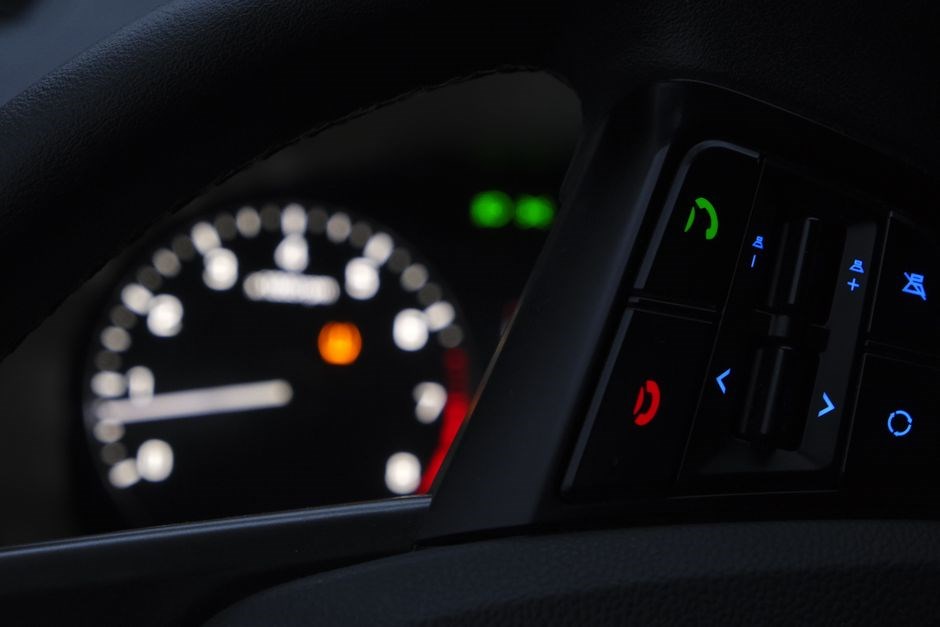
The manual’s “Technology” area dives into Bluetooth HandsFreeLink® integration‚ Honda Sensing® driver‑assist systems‚ and infotainment navigation‚ providing step‑by‑step instructions for setup and troubleshooting. Safety features such as Collision Mitigation Braking System (CMBS) and Lane Keeping Assist (LKA) are explained in separate sections‚ detailing activation‚ sensor function‚ and user settings.
Additional chapters cover “Comfort and Convenience” (seat adjustments‚ climate control‚ and storage solutions)‚ “Electrical System” (battery care‚ alternator function‚ and charging)‚ and “Troubleshooting” for common issues. The back of the manual contains a “Warranty” summary‚ “Service History” log‚ and “Contact Information” for Honda support‚ ensuring owners have all necessary resources at hand.
1.2 Indexing and Navigation Features
The manual’s layout includes a comprehensive front index‚ a section index‚ and a back index‚ each providing quick reference to topics such as safety‚ maintenance‚ and technology. Page numbers are printed on every page‚ while section headings are bolded and numbered for easy scanning. The PDF version features clickable hyperlinks that jump directly to the desired chapter‚ and the online version on Honda.com offers a searchable database where owners can type keywords like “Bluetooth HandsFreeLink®” or “Honda Sensing®” to locate instructions instantly. Additionally‚ the manual includes a “Quick‑Start Guide” at the beginning‚ summarizing essential controls and emergency procedures‚ and a “Glossary” that explains technical terms. Owners can also use the “Service Log” section to record maintenance dates and mileage‚ ensuring timely upkeep. The index at the back lists all topics alphabetically‚ with page references‚ making it simple to find specific information without flipping through the entire book. These navigation tools collectively enhance usability‚ allowing drivers to access critical information efficiently and safely. The manual also incorporates a “Quick‑Start” sidebar that highlights essential controls‚ and a “Glossary” table of terms for rapid clarification during operation. Additionally‚ the PDF includes a built‑in search bar and a table of contents that updates automatically as the document is scanned‚ making navigation intuitive even for first‑time owners. All features easy

Accessing the Owner’s Manual
Owners can download the full PDF from the Honda Info Center by selecting the 2019 Accord page and clicking “Download Manual.” Alternatively‚ the interactive version on Honda.com offers searchable sections‚ quick‑start guides‚ and video tutorials for Bluetooth and safety features. Visit Honda.com for updates.FAQ.

2.1 Downloading the PDF from Honda Info Center
Additionally‚ the manual includes a troubleshooting section that lists common issues and their solutions‚ such as battery warning lights and engine performance alerts. It also provides a detailed maintenance schedule with recommended intervals for oil changes‚ filter replacements‚ and fluid checks. The safety section covers seat‑belt usage‚ child‑seat installation‚ and advanced driver‑assist features. By keeping the manual handy‚ owners can quickly reference specifications and ensure their Accord remains in top condition.
Enjoy your drive‚ and stay safe‚ and keep it clean.
2.2 Online Access via Honda.com
Owners who prefer a digital reference can view the 2019 Accord Owners Manual directly on Honda.com. From the homepage‚ click the “Owners” tab‚ then select “Manuals & Guides” and choose “2019 Accord.” The manual opens in an interactive web viewer that supports zoom‚ page navigation‚ and a full‑text search bar‚ making it easy to locate specific sections such as “Bluetooth HandsFreeLink®” or “Honda Sensing®.” This online version is automatically updated‚ so any revisions or safety bulletins are reflected immediately. Users can bookmark pages‚ highlight text‚ and export selected sections as a PDF for offline reading. The site also links to related resources: the “Vehicle Features” page explains advanced driver‑assist systems‚ while the “Maintenance” page offers a calendar tool that tracks service intervals and sends reminders via email or the Honda mobile app. To access the manual‚ simply log in with a Honda account; if you don’t have one‚ a free account can be created in under a minute. The viewer is responsive‚ working on desktop‚ tablet‚ and smartphone browsers‚ and includes a “Print” button that formats the current page for A4 printing. Additionally‚ a “Download PDF” option is available for those who prefer a static copy. By using the online platform‚ owners can quickly reference specifications‚ troubleshoot issues‚ and stay informed about new software updates that may affect the vehicle’s performance or safety features.
The online manual also links to videos‚ FAQs‚ and a forum for owner tips. It offers a wiring diagram‚ matrix‚ and search filter. The viewer remembers page and supports font size changes for quick reference!!
Vehicle Features and Technology
The 2019 Accord blends safety with userfriendlytech. Honda Sensing® offers adaptive cruise control‚ lane‑keeping‚ and collision mitigation. Bluetooth HandsFreeLink® connects phones‚ enabling hands‑free calls‚ music streaming‚ and voice commands for a safer drive.
3.1 Bluetooth HandsFreeLink® Integration
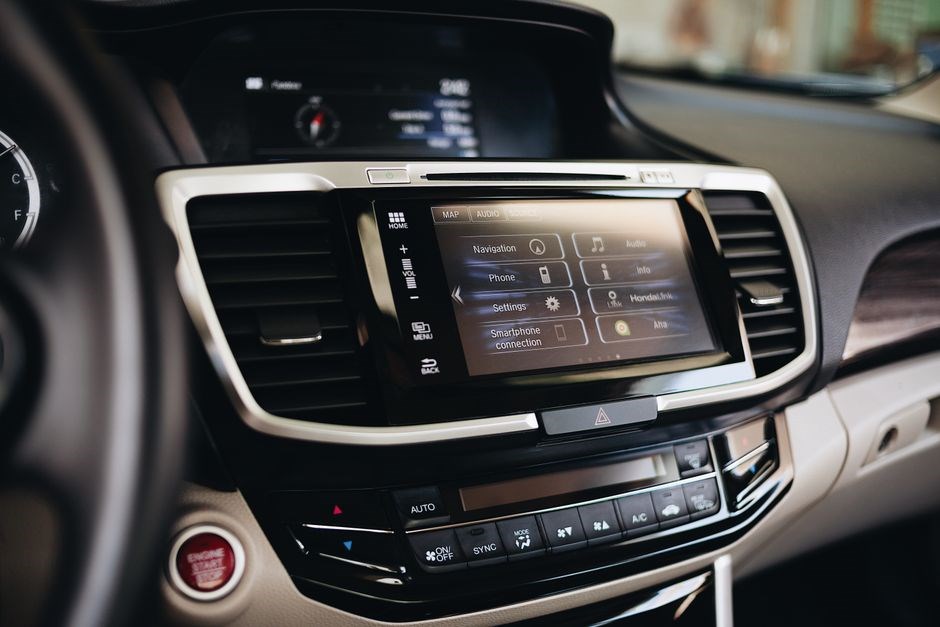
Bluetooth HandsFreeLink® in the 2019 Accord provides seamless connectivity between the vehicle’s infotainment system and compatible mobile devices. After pairing‚ the driver can place‚ receive‚ and answer calls using the steering‑wheel controls or the touchscreen interface. Voice‑activated commands allow hands‑free navigation‚ music selection‚ and phone book access‚ enhancing safety by keeping the driver’s focus on the road. The system supports both iOS and Android platforms‚ automatically updating the device list as new phones are added. Users can also customize ringtone settings and call‑log preferences directly from the car’s menu. HandsFreeLink® integrates with the vehicle’s built‑in voice assistant‚ enabling natural language queries for directions‚ weather‚ and traffic updates. The system’s Bluetooth 4.0 protocol ensures low latency and reliable audio quality‚ while the onboard memory stores recent call logs for quick retrieval. Additionally‚ the Accord’s infotainment screen displays caller ID‚ call duration‚ and contact photos‚ providing a convenient visual reference. The HandsFreeLink® feature is activated via the “Phone” icon on the main menu‚ where users can manage paired devices‚ adjust audio settings‚ and view the Bluetooth status. By centralizing communication controls‚ the 2019 Accord’s HandsFreeLink® promotes safer driving habits and a more connected driving experience. The HandsFreeLink® system is designed for ease of use‚ ensuring drivers can stay connected without distraction. It supports multiple device connections‚ quick switching‚ and robust audio performance‚ making every drive smoother and safer. Its intuitive interface and responsive controls make it a standout feature for modern drivers. Enjoy the ride! Safe.!!
3.2 Honda Sensing® Advanced Driver‑Assist Systems
Honda Sensing® equips the 2019 Accord with a suite of safety technologies that work together to reduce collision risk and boost driver confidence. Adaptive Cruise Control (ACC) maintains a set speed and distance from the vehicle ahead‚ automatically adjusting throttle and braking. Forward Collision Warning (FCW) alerts the driver with visual and audible cues when a potential collision is detected‚ and Collision Mitigation Braking System (CMBS) can apply full braking force if the driver does not react. Lane Keeping Assist (LKA) monitors lane markings and provides gentle steering input to keep the vehicle centered‚ while Lane Departure Warning (LDW) issues a warning when the vehicle begins to drift. Road Departure Mitigation (RDM) extends LKA by applying steering and braking to prevent off‑lane excursions. Driver Attention Monitor (DAM) tracks eye movement and facial angles‚ issuing a warning if the driver’s focus deviates from the road. Adaptive Front‑Lighting System (AFLS) automatically adjusts headlight intensity and beam pattern based on vehicle speed and steering angle‚ enhancing night‑time visibility. The system’s settings can be customized via the vehicle’s touchscreen‚ allowing drivers to adjust sensitivity levels for ACC‚ FCW‚ and LKA. Regular software updates delivered through Honda’s dealer network keep the system current with the latest safety standards. By integrating these features‚ Honda Sensing® transforms the 2019 Accord into a safety partner that anticipates hazards and maintains safe driving habits

Maintenance and Care Guidelines
The 2019 Accord’s maintenance schedule emphasizes regular oil changes‚ tire rotations‚ and fluid checks. Follow the owner’s manual for specific intervals: 5‚000 miles for oil‚ 10‚000 for tire rotation‚ and 15‚000 for brake fluid. Keep the battery‚ wipers‚ and cabin filter fresh for optimal performance. daily. !
4.1 Recommended Oil Change Schedule
According to the 2019 Honda Accord Owners Manual‚ the standard oil change interval is 5‚000 miles or six months‚ whichever comes first‚ when using the specified 0W‑20 synthetic blend; For drivers who operate the vehicle in harsh climates‚ dusty roads‚ or frequently tow‚ the manual advises shortening the interval to 3‚000 miles. Each oil change should include a new oil filter; the manual recommends a Honda‑approved filter to ensure proper sealing. Before starting the engine‚ check the oil level with the dipstick after the vehicle has warmed up and the engine has been idling for a few minutes. If the oil appears dark or contains metal shavings‚ consider an earlier change. The Accord’s oil‑life monitoring system will display a warning on the instrument cluster when the oil’s performance drops below the manufacturer’s threshold. Use only oils that meet the API SN or higher specification‚ and avoid mixing different viscosities. When draining the old oil‚ use a funnel to prevent spillage‚ and dispose of the used oil at a certified recycling center. Tighten the oil filter with a torque wrench to the manufacturer’s specified torque to avoid leaks. Following these guidelines preserves engine longevity‚ maintains warranty coverage‚ and supports optimal fuel economy. Additionally‚ keep a service log to track each oil change; this record can be useful during resale or warranty claims. If you notice a sudden increase in oil consumption or a burning oil smell‚ schedule a diagnostic check promptly to prevent engine damage. Proper oil maintenance also reduces emissions and keeps the engine running smoothly under all driving conditions. When using a 5W‑20 oil‚ the recommended interval remains the same‚ but the manual notes that colder climates may benefit from a slightly longer interval if the vehicle is rarely driven. The manual also highlights that using the correct oil viscosity ensures the engine’s oil pump can maintain adequate pressure‚ which is critical for the Accord’s timing chain and valve train. Finally‚ remember that the oil change is part of the broader maintenance schedule‚ which includes checking coolant‚ transmission fluid‚ and brake fluid at specified intervals. Refer to the service manual for exact torque specifications when tightening the oil filter and drain plug.
4.2 Tire Rotation and Alignment Procedures
Owners should rotate tires every 5‚000 miles or at each oil change‚ whichever occurs first. The recommended pattern for the 2019 Accord is a front‑to‑rear cross rotation: the front tires move to the rear on the same side‚ and the rear tires shift to the front on the opposite side. This method balances wear on the front‑drive wheels and maintains handling symmetry. After each rotation‚ inspect tire sidewalls for cuts‚ bulges‚ or embedded debris‚ and verify that the tread depth remains above the legal minimum of 2 / 32 in. If any tire shows uneven wear or damage‚ replace it before the next rotation.
Alignment checks are advised every 12‚000 miles or after any incident that could affect suspension geometry‚ such as a collision or hitting a curb. Use a calibrated alignment kit or have a professional perform a full alignment. The Accord’s front‑wheel steering geometry requires proper camber‚ caster‚ and toe settings to preserve steering feel and tire life. The manual specifies a camber tolerance of ±0.5°‚ caster of ±1.5°‚ and toe of ±0.2° for the front axle. Rear alignment is less critical but should still be verified if the vehicle exhibits pulling or uneven rear tire wear. Keep a maintenance log noting the date‚ mileage‚ and any adjustments made. Proper rotation and alignment together extend tire life‚ improve fuel economy. Always use the correct torque specifications when tightening lug nuts—typically 120 ft‑lb for the Accord’s 17‑inch wheels. Failure to torque properly can lead to wheel detachment or uneven tire wear.

Safety and Driver Assistance Systems
The 2019 Accord features Honda Sensing®: Collision Mitigation Braking‚ Lane Keeping Assist‚ Road Departure Mitigation‚ Adaptive Cruise Control‚ and Traffic Sign Recognition. These systems enhance safety by alerting drivers and applying brakes when needed.!!!!
The 2019 Honda Accord Owners Manual offers a comprehensive guide covering vehicle basics‚ safety features‚ and maintenance. It details Honda Sensing® systems‚ Bluetooth HandsFreeLink®‚ and step‑by‑step troubleshooting to help owners maximize performance and safety. It covers warranty and service reminders!!
CMBS automatically applies brakes when the system detects an imminent collision with a vehicle or obstacle ahead. It uses forward‑looking radar‚ camera‚ and sensor data to calculate distance and speed. When the driver’s brake pedal is not depressed‚ the system engages to reduce impact severity or avoid a crash entirely.
To enable CMBS‚ the driver must first activate the Honda Sensing® suite via the vehicle’s settings menu. Once active‚ the system constantly monitors the road. If a threat is detected‚ a visual alert appears on the instrument cluster‚ and a gentle brake pressure is applied. The driver can override by pressing the brake pedal‚ which will disengage CMBS.
- Activation: Turn on “Collision Mitigation Braking” in the “Driver Assistance” menu.
- Conditions: Requires clear line of sight‚ functioning radar‚ and proper tire pressure.
- Limitations: Does not replace safe driving; high speeds or adverse weather may reduce effectiveness.
- Maintenance: Ensure sensors and cameras remain clean; update firmware via dealer service.
CMBS is designed to work alongside other Honda Sensing® features‚ such as Lane Keeping Assist and Adaptive Cruise Control‚ providing a layered safety approach. By combining these technologies‚ the 2019 Accord offers proactive collision avoidance‚ enhancing overall driver confidence and passenger safety. The system also offers real‑time alerts and sensitivity settings to adapt to varying road daily conditions!

5.2 Lane Keeping Assist (LKA) and Road Departure Mitigation
LKA uses a forward‑looking camera to detect lane markings and applies gentle steering torque to keep the vehicle centered. When the system senses a lane departure without a turn signal‚ it warns the driver with a visual cue on the dash. Road Departure Mitigation (RDM) extends this by monitoring the vehicle’s position relative to the lane and the road edge. If the car begins to drift toward a curb or off‑road area‚ RDM activates the brakes and steers the vehicle back into the lane‚ reducing the risk of an unintended exit.
To activate LKA and RDM‚ the driver selects “Lane Keeping Assist” in the “Driver Assistance” menu. Both features require a clear view of lane markings and proper tire pressure. The system’s sensitivity can be adjusted: “Low” for mild steering help‚ “High” for stronger intervention. Regular maintenance includes cleaning the camera lens and ensuring the radar sensor is unobstructed. Firmware updates from the dealer may enhance detection algorithms.
When LKA is active‚ the driver can still manually steer; the system will only intervene when a lane departure is detected. RDM is designed to work in tandem with other Honda Sensing® technologies‚ such as Adaptive Cruise Control and Collision Mitigation Braking‚ providing a comprehensive safety net for everyday driving. The combination of these features helps prevent accidents caused by driver distraction or fatigue‚ especially on highways and long‑distance routes. Optional for drivers.