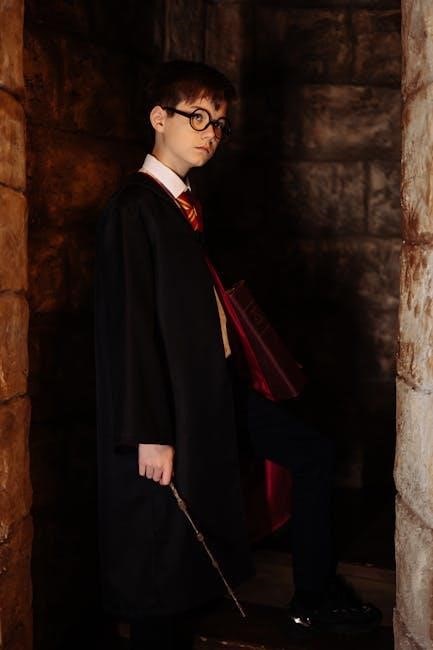
Harry Potter and the Prisoner of Azkaban: Finding a PDF & Everything You Need to Know (Updated 02/04/2026)
Seeking a “Harry Potter 3rd book PDF” is common‚ driven by the desire for convenient‚ accessible reading; however‚ understanding legal avenues is crucial for fans․
What is “Harry Potter and the Prisoner of Azkaban”?
“Harry Potter and the Prisoner of Azkaban”‚ published in 1999‚ represents the third installment in J․K․ Rowling’s globally beloved fantasy series․ This pivotal novel marks a significant shift in tone‚ moving beyond the initial childlike wonder of the first two books into a more complex and mature narrative․ The story centers around Harry’s third year at Hogwarts School of Witchcraft and Wizardry‚ shadowed by the escape of Sirius Black‚ a notorious prisoner believed to be a devoted follower of Lord Voldemort and a threat to Harry’s life․
The narrative delves into themes of injustice‚ prejudice‚ and the complexities of truth‚ as Harry‚ Ron‚ and Hermione attempt to unravel the mystery surrounding Sirius Black and his alleged intentions․ It introduces compelling new characters like Remus Lupin‚ the new Defence Against the Dark Arts professor‚ and explores deeper aspects of the wizarding world‚ solidifying the series’ enduring appeal and captivating millions of readers worldwide․ The book’s intricate plot and emotional depth contribute to its status as a cornerstone of modern literature․
Why People Search for a “Harry Potter 3rd Book PDF”
The search for a “Harry Potter 3rd book PDF” is driven by several factors‚ primarily convenience and accessibility․ Digital formats offer portability‚ allowing readers to enjoy the story on various devices – smartphones‚ tablets‚ and e-readers – without the need to carry a physical copy․ Cost is also a significant motivator; free PDF versions appear appealing to those seeking to avoid purchasing the book․

Furthermore‚ instant access is a key draw․ Downloading a PDF bypasses shipping times or trips to bookstores․ However‚ it’s crucial to acknowledge the legal and security risks associated with obtaining unofficial PDFs‚ including copyright infringement and potential malware exposure․ Many simply desire a quick‚ readily available way to revisit the magical world of Harry Potter‚ fueling the demand for digital copies․

The Official Release & Book Details
Published in 1999‚ “Prisoner of Azkaban” quickly captivated readers‚ becoming a literary phenomenon and solidifying the series’ enduring popularity worldwide․
Publication Date & Initial Reception
“Harry Potter and the Prisoner of Azkaban” was first published in the United Kingdom on July 8‚ 1999‚ by Bloomsbury Publishing; The US edition followed shortly after‚ released by Scholastic on September 28‚ 1999․ The book’s initial reception was overwhelmingly positive‚ with critics and readers alike praising its more complex plot‚ darker themes‚ and character development․ It broke sales records‚ becoming the fastest-selling book in history at the time of its release․
Early reviews highlighted J․K․ Rowling’s increasingly sophisticated writing style and her ability to balance thrilling adventure with emotional depth․ The introduction of new characters like Remus Lupin and Sirius Black added layers of intrigue and moral ambiguity to the story․ The book’s exploration of themes like prejudice and the search for truth resonated deeply with audiences․ It quickly topped bestseller lists globally‚ further cementing the Harry Potter series as a cultural phenomenon and a must-read for both children and adults․
Synopsis: A Brief Overview of the Story
“Harry Potter and the Prisoner of Azkaban” finds Harry entering his third year at Hogwarts School of Witchcraft and Wizardry‚ shadowed by the terrifying news of Sirius Black’s escape from Azkaban prison․ Black‚ a notorious criminal and supposed follower of Lord Voldemort‚ is believed to be hunting Harry․
At Hogwarts‚ Harry learns more about Black’s connection to his parents and faces the threat of Dementors‚ terrifying creatures guarding the school․ He receives private lessons in Defence Against the Dark Arts from the enigmatic Remus Lupin‚ who helps him master the Patronus charm․ The story unfolds with twists and turns‚ revealing hidden truths about Black‚ Lupin‚ and Harry’s parents‚ ultimately challenging everything Harry thought he knew about the past and the nature of betrayal․
Key Characters Introduced in Prisoner of Azkaban
“Prisoner of Azkaban” significantly expands the cast with pivotal new characters․ Remus Lupin‚ the new Defence Against the Dark Arts teacher‚ becomes a mentor to Harry‚ battling his own internal struggles as a werewolf․ Sirius Black‚ initially presented as a villain‚ is a complex figure with a deeply intertwined history with the Potter family‚ driving much of the plot’s tension․
Professor Trelawney‚ the Divination teacher‚ adds a quirky and often inaccurate element to the Hogwarts experience․ Peter Pettigrew‚ though appearing as Ron Weasley’s pet rat‚ Scabbers‚ is revealed to be a crucial figure in the betrayal of James and Lily Potter․ These characters enrich the narrative‚ adding layers of complexity and shaping Harry’s understanding of his past․

Legality & Ethics of Downloading a PDF
Downloading unauthorized PDFs infringes copyright‚ supporting illegal distribution and potentially exposing users to malware; respecting intellectual property is paramount for readers․
Copyright Laws & Harry Potter
J․K․ Rowling and Scholastic (or Bloomsbury in the UK) hold the exclusive copyright to the Harry Potter series‚ including “Prisoner of Azkaban․” This copyright grants them the sole right to reproduce‚ distribute‚ and adapt the work․ Downloading a PDF without authorization violates these rights‚ constituting copyright infringement․ International copyright laws‚ like the Berne Convention‚ further protect the series globally․
Copyright protection extends not only to the text itself but also to the characters‚ settings‚ and overall creative expression․ Sharing links to illegal PDFs‚ or uploading them to file-sharing sites‚ also carries legal consequences․ Penalties for copyright infringement can include substantial fines and even legal action from the copyright holders․ Therefore‚ accessing the book through legitimate channels is essential to respect the author’s and publisher’s rights and support the continuation of creative works․
Risks Associated with Unofficial PDF Downloads (Malware‚ Viruses)
Downloading a “Harry Potter and the Prisoner of Azkaban” PDF from unofficial sources exposes you to significant security risks․ These websites often harbor malware‚ viruses‚ and other malicious software disguised as legitimate files․ These threats can compromise your device‚ steal personal information (like passwords and financial details)‚ and disrupt your system’s functionality․
Many illegal PDF downloads contain trojans‚ spyware‚ or ransomware‚ which can encrypt your files and demand a ransom for their release․ Even seemingly harmless PDFs can exploit vulnerabilities in your PDF reader software․ Protecting yourself requires vigilance; always obtain digital books from reputable retailers or libraries․ Regularly update your antivirus software and exercise caution when clicking links or downloading files from untrusted sources to mitigate these dangers․
Legal Alternatives to Obtain the Book
Fortunately‚ numerous legal and safe avenues exist to enjoy “Harry Potter and the Prisoner of Azkaban” digitally․ Purchasing an eBook from official retailers like Amazon Kindle‚ Google Play Books‚ or Apple Books guarantees a legitimate‚ virus-free copy․ Subscription services such as Scribd and Audible also offer access to the book as part of their extensive libraries‚ providing a cost-effective alternative for avid readers․
Furthermore‚ many public libraries provide digital lending services through platforms like OverDrive and Libby‚ allowing you to borrow the eBook for free with a library card․ Supporting authors and publishers by choosing legal options ensures the continuation of beloved series like Harry Potter and protects intellectual property rights․

Where to Find Legal Digital Copies
Discover legitimate digital copies through eBook retailers‚ subscription services‚ and digital libraries‚ ensuring a safe and ethical reading experience for fans․
Official eBook Retailers (Amazon Kindle‚ Google Play Books‚ Apple Books)
For a secure and high-quality digital reading experience‚ numerous official eBook retailers offer “Harry Potter and the Prisoner of Azkaban․” Amazon Kindle provides a vast selection‚ often with exclusive editions and features like Whispersync for seamless reading across devices․ Google Play Books offers accessibility across Android and web platforms‚ alongside customizable reading settings․ Apple Books‚ integrated within the Apple ecosystem‚ delivers a polished reading experience for iPhone‚ iPad‚ and Mac users․
These platforms typically sell the eBook at a fixed price‚ ensuring authors and publishers receive appropriate compensation․ Purchasing through these retailers supports the Harry Potter franchise and guarantees a legitimate‚ virus-free copy․ Furthermore‚ they often feature enhanced functionalities like adjustable font sizes‚ built-in dictionaries‚ and the ability to highlight and take notes‚ enriching your reading journey․ Check for promotional offers and discounts frequently‚ as these retailers often run sales on popular titles like this beloved installment․
Subscription Services Offering the Book (Scribd‚ Audible)
Alternatively‚ subscription services like Scribd and Audible present viable options for accessing “Harry Potter and the Prisoner of Azkaban” legally․ Scribd operates on a monthly subscription model‚ granting readers unlimited access to a vast library of eBooks‚ including popular titles like this one․ Audible‚ specializing in audiobooks‚ provides a captivating listening experience narrated by talented voice actors‚ perfect for commutes or multitasking․
These services offer cost-effectiveness for avid readers who consume multiple books per month․ However‚ availability can fluctuate based on licensing agreements‚ so confirming the book’s presence within the catalog is advisable․ Both platforms offer free trials‚ allowing potential subscribers to explore their offerings before committing to a paid subscription․ Remember that continued access relies on maintaining an active subscription‚ offering a flexible alternative to outright purchase․
Borrowing from Digital Libraries (OverDrive‚ Libby)
A fantastic‚ legal avenue for accessing “Harry Potter and the Prisoner of Azkaban” is through digital library services like OverDrive and Libby․ These platforms partner with public libraries‚ allowing patrons to borrow eBooks and audiobooks for free using their library cards․ Libby‚ a user-friendly app developed by OverDrive‚ simplifies the borrowing process with a streamlined interface and intuitive navigation;
The availability of the book depends on your library’s collection and current lending status; waitlists are common for popular titles․ Borrowing periods are typically two weeks‚ after which the book is automatically returned․ This method provides a cost-effective and ethical way to enjoy the story‚ supporting both authors and libraries․ Check your local library’s website to confirm participation and access instructions․

Understanding the Prisoner of Azkaban Story
The narrative centers on Sirius Black’s escape‚ posing a threat to Harry‚ alongside the introduction of Professor Lupin and the mysteries of time travel․
The Escape of Sirius Black & the Threat to Harry
Sirius Black’s dramatic escape from Azkaban prison casts a long shadow over Harry Potter’s third year at Hogwarts․ Believed to be a devoted follower of Lord Voldemort and responsible for the Potters’ betrayal‚ Black is immediately branded a dangerous threat‚ and the school is placed under heightened security with the deployment of Dementors․
This creates a palpable atmosphere of fear and anxiety‚ directly impacting Harry‚ who experiences particularly strong reactions to the Dementors due to his parents’ death․ The Ministry of Magic’s relentless pursuit of Black‚ coupled with the widespread belief in his guilt‚ fuels the narrative tension․
However‚ the story subtly hints at inconsistencies and unanswered questions surrounding Black’s alleged crimes‚ planting seeds of doubt in the reader’s mind; The perceived threat to Harry isn’t merely physical; it’s also psychological‚ as he grapples with the possibility of facing the man who supposedly caused his parents’ demise․
Remus Lupin’s arrival at Hogwarts as the new Defence Against the Dark Arts professor marks a pivotal moment in “Prisoner of Azkaban․” Unlike his predecessors‚ Lupin proves to be a genuinely skilled and compassionate teacher‚ immediately connecting with Harry and offering practical‚ effective lessons in defending against dark creatures․
He quickly recognizes Harry’s struggles and provides individualized guidance‚ helping him master the Patronus Charm – a powerful defense against Dementors․ However‚ Lupin harbors a secret: he is a werewolf․ This revelation‚ while initially shocking‚ adds layers to his character and explains his past hardships and resilience․
Lupin’s connection to James and Lily Potter‚ and his friendship with Sirius Black‚ gradually unfolds‚ revealing a complex web of relationships and secrets that are central to the book’s central mystery․ His role extends beyond teaching; he becomes a mentor and protector to Harry‚ offering crucial support during a turbulent time․
The Time-Turner & Its Significance
Hermione Granger’s Time-Turner‚ a device allowing limited travel into the past‚ is a remarkable introduction in “Prisoner of Azkaban‚” dramatically altering the narrative’s possibilities․ Granted by Professor McGonagall‚ it enables Hermione to attend multiple classes simultaneously‚ showcasing her dedication to her studies and foreshadowing its crucial role in saving Sirius Black and Buckbeak․
The Time-Turner isn’t merely a plot device; it explores themes of fate‚ consequence‚ and the delicate nature of time itself․ Its use is fraught with risk‚ as altering the past can have unforeseen repercussions․ Harry and Hermione’s daring rescue mission‚ facilitated by the Time-Turner‚ highlights their bravery and resourcefulness․
Ultimately‚ the Time-Turner’s destruction signifies a recognition of the dangers inherent in manipulating time‚ reinforcing the importance of accepting the past and focusing on the present․

Analyzing Themes in the Book
“Prisoner of Azkaban” delves into complex themes of friendship‚ prejudice‚ and the blurred lines between good and evil‚ resonating deeply with readers․
Friendship‚ Loyalty‚ and Betrayal
The bonds of friendship are powerfully explored in “Prisoner of Azkaban‚” particularly through the unwavering loyalty between Harry‚ Ron‚ and Hermione․ Their dedication to one another is constantly tested as they navigate the dangers surrounding Sirius Black’s escape and the perceived threat he poses to Harry․
However‚ the narrative also introduces the painful sting of betrayal‚ most notably through the revelation of Peter Pettigrew’s true identity and his role in the downfall of James and Lily Potter․ This discovery forces Harry to confront the unsettling truth that appearances can be deceiving and that even those closest to you can harbor hidden agendas․
Remus Lupin’s character further complicates these themes‚ showcasing a loyalty fractured by years of secrecy and societal prejudice․ The book masterfully illustrates how past betrayals can continue to haunt the present‚ shaping relationships and influencing decisions․ Ultimately‚ “Prisoner of Azkaban” emphasizes the importance of discerning true friends from false ones and the enduring strength found in genuine connection․
Dealing with Prejudice & Misconceptions
“Prisoner of Azkaban” profoundly addresses the dangers of prejudice‚ primarily through the portrayal of Sirius Black and Remus Lupin․ Both characters suffer immensely due to societal misconceptions and fear surrounding their identities – Sirius as a supposed mass murderer and Lupin as a werewolf․ The wizarding world’s ingrained biases lead to their ostracization and unjust treatment‚ highlighting the destructive power of unfounded assumptions․
The book challenges readers to question preconceived notions and to look beyond surface appearances․ Lupin’s struggle to find acceptance despite his condition underscores the importance of empathy and understanding․ Similarly‚ the initial condemnation of Sirius demonstrates how easily public opinion can be swayed by misinformation and fear-mongering․
Rowling skillfully uses these characters to advocate for tolerance and to expose the harmful consequences of judging individuals based on their differences‚ fostering a critical examination of prejudice within the narrative․
The Complexity of Good and Evil
“Prisoner of Azkaban” masterfully blurs the lines between good and evil‚ presenting characters with multifaceted motivations and challenging simplistic moral judgments․ Sirius Black‚ initially perceived as a villain‚ is revealed to be a wrongly accused man driven by loyalty and a desire for justice‚ forcing a re-evaluation of his character․
The narrative explores how circumstances and perspectives can shape perceptions of morality․ Severus Snape continues to embody ambiguity‚ his actions often appearing cruel yet ultimately serving a greater purpose․ Peter Pettigrew‚ seemingly insignificant‚ is unveiled as the true betrayer‚ demonstrating that evil can hide in unexpected places․
Rowling emphasizes that individuals are rarely entirely good or entirely evil‚ and that motivations are often complex and rooted in personal history‚ prompting readers to consider the nuances of human nature․

The Impact of “Prisoner of Azkaban” on the Series
This installment significantly matured the series’ tone‚ deepened character arcs‚ and crucially‚ established foundational conflicts that dramatically shaped the unfolding narrative․
Shifting Tone & Increased Maturity
“Prisoner of Azkaban” marks a distinct turning point in the Harry Potter series‚ moving away from the relatively lighter‚ more childlike adventures of the first two books․ J․K․ Rowling introduces darker themes‚ exploring complex emotions like grief‚ betrayal‚ and the lingering effects of trauma․ The presence of Dementors and the looming threat of Sirius Black contribute to a consistently suspenseful and often frightening atmosphere․
This shift isn’t merely atmospheric; it’s reflected in the characters themselves․ Harry‚ Ron‚ and Hermione grapple with more challenging moral dilemmas and begin to confront the realities of the wizarding world’s imperfections․ The introduction of Professor Lupin provides a nuanced portrayal of a character burdened by a secret‚ adding layers of complexity․ The narrative delves deeper into the consequences of past actions and the weight of responsibility‚ signaling a growing maturity throughout the series․
Development of Key Character Arcs
“Prisoner of Azkaban” significantly advances the core characters’ development․ Harry’s understanding of his parents deepens through revelations about Sirius Black and Peter Pettigrew‚ fueling his emotional growth and sense of justice․ Ron demonstrates increasing bravery and loyalty‚ overcoming insecurities and proving his worth beyond comedic relief․ Hermione’s intellectual prowess is showcased‚ but more importantly‚ her compassion and willingness to bend rules for her friends become prominent․

Crucially‚ the book expands on Lupin’s backstory‚ establishing him as a mentor figure who imparts valuable life lessons to Harry․ Sirius Black’s introduction adds a complex dynamic‚ representing a lost father figure and a symbol of wrongful imprisonment․ These interactions force the trio to confront difficult truths and mature beyond their years‚ laying the groundwork for their future roles in the overarching conflict․
Setting the Stage for Future Conflicts
“Prisoner of Azkaban” masterfully elevates the stakes for the remainder of the series․ The revelation of Peter Pettigrew’s survival and his allegiance to Voldemort directly re-establishes the Dark Lord as an imminent threat‚ shifting the narrative from a childhood adventure to a looming war․ Sirius Black’s wrongful imprisonment highlights the corruption within the Ministry of Magic‚ foreshadowing future distrust and bureaucratic obstacles․
Lupin’s departure and the knowledge of his lycanthropy introduce the theme of prejudice and societal fear‚ which will become increasingly relevant as the series progresses․ The introduction of the Time-Turner‚ while resolved in this book‚ hints at the complexities of time and fate‚ potentially influencing future plot points․ These elements collectively build anticipation and prepare readers for the darker‚ more challenging conflicts to come․

Frequently Asked Questions (FAQs)
Common inquiries revolve around PDF safety‚ optimal digital reading methods‚ and resources for further exploration of the captivating Harry Potter universe․
Is it safe to download a free PDF of Harry Potter and the Prisoner of Azkaban?
Downloading free PDFs of copyrighted material like “Harry Potter and the Prisoner of Azkaban” carries significant risks․ While the allure of a cost-free copy is understandable‚ unofficial sources are often riddled with malware‚ viruses‚ and other malicious software that can compromise your device and personal information․ These files can appear legitimate but secretly install harmful programs‚ leading to data theft or system damage․
Furthermore‚ accessing copyrighted content without authorization is illegal and unethical‚ undermining the author and publisher’s rights․ Supporting official channels ensures continued creation of beloved stories․ Prioritize your digital safety and respect intellectual property by opting for legal alternatives‚ such as purchasing eBooks from reputable retailers or utilizing subscription services and digital libraries․
What are the best ways to read the book digitally?
For a seamless digital reading experience of “Harry Potter and the Prisoner of Azkaban‚” several excellent options exist․ Official eBook retailers like Amazon Kindle‚ Google Play Books‚ and Apple Books offer high-quality digital versions compatible with various devices – smartphones‚ tablets‚ and e-readers․ Subscription services such as Scribd and Audible provide access to the book as part of a broader library‚ often including audiobook formats․
Digital libraries like OverDrive and Libby‚ linked to local public libraries‚ allow borrowing eBooks and audiobooks for free․ The American Airlines app‚ while primarily for travel‚ highlights the convenience of mobile access․ Consider features like adjustable font sizes‚ built-in dictionaries‚ and night mode for comfortable reading․
Where can I find more information about the Harry Potter series?
Numerous resources cater to Harry Potter enthusiasts seeking deeper insights․ The official Wizarding World website (wizardingworld․com) is a primary hub‚ offering news‚ features‚ and interactive experiences․ Pottermore‚ now integrated into the Wizarding World site‚ provides extensive background information on characters‚ spells‚ and the magical world․ Fan wikis‚ like Harry Potter Wiki‚ are collaboratively built encyclopedias brimming with detailed information․
Dedicated fan forums and communities‚ such as Reddit’s r/harrypotter‚ foster discussions and share theories․ American Airlines’ app‚ surprisingly‚ underscores the value of readily available information‚ mirroring the wealth of Potter resources․ Scholastic’s website also offers educational materials and author insights․ Exploring these avenues will enrich your understanding of the series․