Schwinn 130 Upright Exercise Bike Manual: Article Plan
This comprehensive guide details the Schwinn 130’s features‚ assembly‚ operation‚ and maintenance․ It covers safety‚ parts identification‚ workout programs‚ and troubleshooting steps for optimal use․
The manual provides essential information for users of all fitness levels‚ ensuring a safe and effective exercise experience with their new Schwinn upright bike․
Understanding each section will maximize the bike’s benefits and prolong its lifespan‚ offering years of reliable home fitness enjoyment․
The Schwinn 130 Upright Exercise Bike represents a commitment to accessible and effective home fitness․ Designed for users of varying fitness levels‚ this bike offers a comfortable and engaging workout experience․ It’s a popular choice for individuals seeking a low-impact cardiovascular exercise option within the convenience of their own homes․
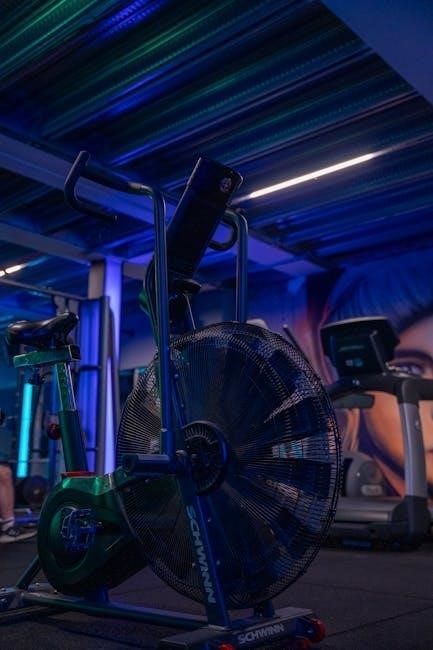
This model distinguishes itself through a blend of user-friendly features and robust construction․ The Schwinn 130 boasts a weighted flywheel system‚ providing a smooth and consistent pedaling motion‚ mimicking the feel of outdoor cycling․ Adjustable handlebars and a comfortable‚ contoured seat cater to a wide range of body types‚ ensuring proper form and minimizing strain during workouts․
Beyond its mechanical attributes‚ the Schwinn 130 features a clear and intuitive console․ This console tracks essential workout metrics such as speed‚ time‚ distance‚ and calories burned‚ empowering users to monitor their progress and stay motivated․ Pre-programmed workout programs add variety and challenge to routines‚ while heart rate monitoring capabilities enhance the effectiveness of each session․ The bike is built with durability in mind‚ promising years of reliable performance with proper care and maintenance․
Understanding the Manual’s Importance
The Schwinn 130 Upright Exercise Bike’s owner’s manual is far more than just a collection of instructions; it’s a vital resource for maximizing your investment and ensuring a safe‚ effective workout experience․ Thoroughly understanding its contents unlocks the full potential of your fitness equipment‚ preventing potential misuse and extending the bike’s lifespan․
The manual details crucial safety precautions‚ outlining proper usage guidelines to minimize the risk of injury․ It provides a comprehensive parts list with clear identification‚ aiding in assembly and future maintenance․ Step-by-step assembly instructions ensure correct construction‚ preventing instability or malfunction․ Ignoring these instructions could lead to compromised performance or even damage to the bike․
Furthermore‚ the manual explains the console’s functions‚ workout programs‚ and data monitoring capabilities‚ empowering you to personalize your fitness journey․ It also includes a maintenance schedule and troubleshooting guide‚ enabling you to address minor issues independently․ Familiarizing yourself with warranty information and customer support contact details provides peace of mind and access to assistance when needed․ Ultimately‚ the manual is your key to a successful and enjoyable fitness experience with the Schwinn 130․
Safety Precautions

Prioritizing safety is paramount when using the Schwinn 130 Upright Exercise Bike․ The owner’s manual emphasizes several critical precautions to prevent injury and ensure a secure workout․ Always inspect the bike before each use‚ verifying all parts are securely fastened and functioning correctly․ Ensure the stability of the bike on a level surface‚ and maintain a clear area around it‚ free from obstructions․
Users should consult a physician before starting any new exercise program‚ especially those with pre-existing health conditions․ Proper form is crucial; avoid jerky movements and maintain a controlled pace․ Keep children and pets away from the bike during operation․ Never dismount the bike while the flywheel is in motion‚ and always use caution when adjusting resistance levels․
The manual warns against exceeding the maximum user weight capacity and stresses the importance of wearing appropriate athletic footwear․ Be mindful of your body’s signals and stop exercising immediately if you experience pain‚ dizziness‚ or shortness of breath․ Adhering to these safety guidelines will help you enjoy a safe and effective workout with your Schwinn 130․
Parts List and Identification
The Schwinn 130 manual provides a detailed parts list with clear identification diagrams․ Key components include the frame‚ flywheel‚ handlebars‚ seat‚ and console․ The frame forms the bike’s structural base‚ while the weighted flywheel delivers smooth resistance․ Handlebars offer adjustable grip positions‚ and the seat allows for height and fore/aft adjustments for personalized comfort․
The console features an LCD screen displaying workout metrics‚ along with control buttons for program selection and resistance adjustment․ Other essential parts include the pedals with straps‚ leveling feet for stability‚ and various bolts‚ screws‚ and covers․ The manual illustrates each part with a corresponding number or letter for easy reference during assembly and maintenance․
Familiarizing yourself with these components is crucial for proper assembly‚ troubleshooting‚ and ordering replacement parts if needed․ The parts list ensures you can accurately identify each element of your Schwinn 130‚ facilitating a seamless ownership experience and enabling effective bike upkeep․
Assembly Instructions ⏤ Step-by-Step
The Schwinn 130 manual offers clear‚ step-by-step assembly instructions with accompanying diagrams․ Begin by unpacking all components and verifying against the parts list․ The first steps typically involve attaching the front and rear stabilizers to the main frame using provided bolts and washers․ Ensure proper alignment before fully tightening․
Next‚ install the flywheel and crank arms‚ paying close attention to the correct orientation․ Attach the pedals‚ noting the left and right designations․ Then‚ mount the seat post and handlebars‚ adjusting them to a comfortable preliminary position․ Connect the console to the frame and route the cables neatly․
Finally‚ attach the remaining covers and components‚ double-checking all connections for tightness and security․ The manual emphasizes the importance of following each step precisely to ensure a stable and safe exercise bike․ Take your time‚ and if needed‚ refer to online resources for visual guidance․
Console Overview and Functions
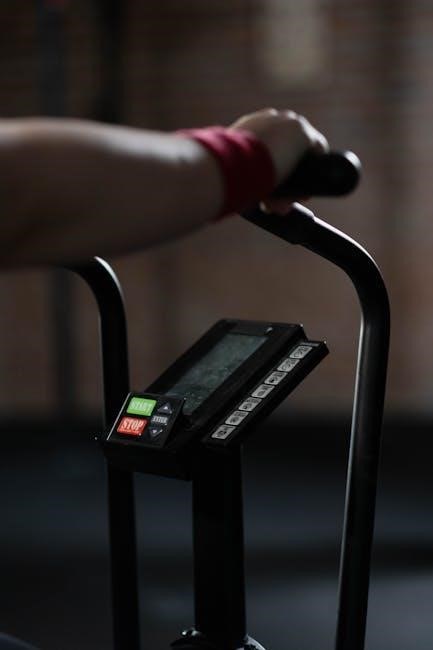
The Schwinn 130’s console is the central hub for monitoring and controlling your workout․ It features a clear LCD screen displaying essential metrics like speed‚ time‚ distance‚ calories burned‚ and heart rate․ The console incorporates intuitive buttons for power‚ mode selection‚ resistance adjustment‚ and program navigation․
Users can select from a variety of pre-programmed workout profiles‚ including manual mode‚ hill climb‚ interval‚ and weight loss options․ The console also allows for the creation and storage of user profiles‚ enabling personalized workout tracking․ Heart rate monitoring is integrated via hand-grip sensors or a compatible chest strap (sold separately)․
The manual details each button’s function and provides instructions on navigating the console’s menu system․ It explains how to customize display settings and interpret the data presented‚ maximizing the user’s understanding and control over their fitness routine․
Powering On and Initial Setup
Before your first workout‚ ensure the Schwinn 130 is correctly powered and configured․ The bike doesn’t require an external power cord; it’s self-powered by the pedal generator․ However‚ an AC adapter can be used for console functionality when the bike isn’t in motion‚ providing continuous data display․
To power on‚ simply begin pedaling․ The console will automatically activate and initiate the startup sequence․ If using the AC adapter‚ plug it into a standard outlet and the bike’s designated port․ Initial setup involves setting the clock and potentially entering user profile information․
The manual guides users through this process‚ explaining how to adjust time and date settings․ It also details how to create user profiles to track individual workout data and personalize the exercise experience; Confirming proper setup ensures accurate data collection and optimal console operation from the start․
Adjusting Seat and Handlebars
Proper positioning is crucial for comfort and effective workouts on the Schwinn 130․ The seat and handlebars are both adjustable to accommodate various body types and preferences․ The seat height is adjusted using a pop-pin mechanism; pull the pin‚ reposition the seat to the desired height‚ and securely reinsert the pin․
Horizontal seat adjustment allows for fore/aft positioning‚ optimizing leg extension and pedal stroke․ Handlebars also feature vertical adjustment‚ utilizing a similar pop-pin system․ Finding the correct handlebar height minimizes strain and promotes proper posture during exercise․
The manual emphasizes the importance of a slight bend in the knees at the bottom of the pedal stroke and reaching the handlebars without overextending․ Experiment with different settings to find the most comfortable and efficient position․ Regular adjustments may be needed as fitness levels improve or preferences change․
Workout Programs Explained

The Schwinn 130 console offers a variety of pre-programmed workout routines designed to cater to different fitness goals․ These programs automatically adjust resistance throughout your session‚ providing a challenging and varied workout experience․ Programs include manual mode for self-directed workouts‚ hill climbs simulating outdoor terrain‚ and interval training for high-intensity bursts․
Quick Start allows immediate cycling at a chosen resistance level‚ while programs like ‘Fat Burn’ and ‘Cardio’ target specific fitness objectives․ The manual details each program’s profile‚ showing resistance changes over time․ Users can customize some programs by adjusting the intensity level before starting․
Understanding the program profiles helps users select routines that align with their fitness level and goals․ The console displays key metrics during each program‚ such as time remaining‚ resistance level‚ and estimated calories burned․ Experimenting with different programs keeps workouts engaging and prevents plateaus․
Resistance Adjustment
The Schwinn 130 utilizes an electromagnetic resistance system‚ offering smooth and quiet adjustments across multiple levels․ Resistance is controlled electronically via buttons on the console‚ allowing for precise changes during workouts․ Increasing resistance simulates uphill cycling or adds intensity to interval training‚ while lowering it provides easier pedaling for warm-ups or recovery․
The console displays the current resistance level numerically‚ typically ranging from 1 to 16 or 20‚ depending on the model․ Users can adjust resistance incrementally with each press of the ‘Increase’ or ‘Decrease’ buttons․ The manual emphasizes starting at lower levels and gradually increasing resistance as fitness improves․
Proper resistance adjustment is crucial for effective workouts and injury prevention․ Higher resistance builds strength and endurance‚ while lower resistance improves cardiovascular fitness․ Experimenting with different levels helps users find the optimal challenge for their fitness goals and ensures a comfortable‚ effective cycling experience․
Monitoring Workout Data (Speed‚ Time‚ Distance‚ Calories)
The Schwinn 130’s console continuously tracks key workout metrics‚ providing real-time feedback to optimize training․ These include current speed (in miles per hour or kilometers per hour)‚ elapsed workout time‚ cumulative distance traveled‚ and an estimated calorie burn․
The display alternates between these metrics automatically‚ or users can manually select a specific data point to view continuously․ Accurate data relies on proper user profile setup and consistent pedaling․ The manual notes that calorie estimations are approximations based on user weight and workout intensity․
Monitoring these metrics allows users to track progress‚ set goals‚ and adjust workout intensity accordingly․ Analyzing speed and distance reveals improvements in cardiovascular fitness‚ while tracking time and calories helps manage weight and overall health․ Regularly reviewing workout data promotes motivation and adherence to fitness routines․
Heart Rate Monitoring Features
The Schwinn 130 upright bike incorporates heart rate monitoring capabilities to enhance workout effectiveness and safety․ It features grip pulse sensors integrated into the handlebars‚ allowing users to measure their heart rate during exercise simply by holding onto them․ The console displays the current heart rate in beats per minute (BPM)․
The manual emphasizes the importance of maintaining a target heart rate zone for optimal cardiovascular benefits․ Users can utilize pre-programmed workout profiles designed to keep their heart rate within a specific range․ Accurate readings depend on maintaining a firm‚ consistent grip on the sensors throughout the exercise․
Heart rate data provides valuable insights into exercise intensity and helps prevent overexertion․ Monitoring heart rate allows users to adjust resistance levels and workout duration to achieve their fitness goals safely and efficiently․ The manual advises consulting a physician before starting any new exercise program‚ especially if you have pre-existing health conditions․
User Profiles and Memory Settings
The Schwinn 130 allows for the creation of multiple user profiles‚ enabling each family member to track their individual workout data and progress․ This feature personalizes the exercise experience and provides tailored feedback․ Each profile can store data such as age‚ weight‚ and gender‚ which are used to calculate accurate calorie burn estimates․
The console’s memory settings retain workout history for each user‚ including time‚ distance‚ speed‚ and calories burned․ This allows users to monitor their improvements over time and stay motivated․ Setting up profiles is straightforward‚ guided by on-screen prompts․ The manual details the process of adding‚ editing‚ and deleting user profiles․
Utilizing user profiles ensures that workout data is specific to each individual‚ providing a more accurate representation of their fitness level․ This feature is particularly beneficial for households with multiple users who have varying fitness goals and exercise routines․ Consistent profile use maximizes the bike’s tracking capabilities․
Maintenance Schedule
Regular maintenance is crucial for ensuring the longevity and optimal performance of your Schwinn 130․ The manual outlines a recommended schedule to keep your bike running smoothly․ Daily checks should include a visual inspection for loose parts and wiping down the console and frame with a damp cloth․
Weekly‚ inspect the pedals‚ handlebars‚ and seat adjustments for secure fastening․ Monthly‚ tighten all bolts and screws‚ paying close attention to those connecting the frame and moving parts․ Every six months‚ check the flywheel and drive belt for wear and tear‚ and lubricate the moving parts as needed․
The manual emphasizes the importance of preventative maintenance to avoid costly repairs․ Following this schedule will help maintain the bike’s warranty validity․ Ignoring maintenance can lead to premature wear‚ reduced performance‚ and potential safety hazards․ Consistent care ensures a safe and effective workout experience for years to come․
Cleaning and Care Instructions
Maintaining a clean Schwinn 130 is essential for hygiene and extending the bike’s lifespan․ The manual recommends regular cleaning to remove dust‚ sweat‚ and grime․ Use a damp‚ non-abrasive cloth to wipe down the frame‚ console‚ seat‚ and handlebars after each use․ Avoid harsh chemicals or solvents‚ as these can damage the surfaces․
For the console screen‚ use a microfiber cloth specifically designed for electronics․ Periodically‚ inspect the flywheel and drive belt for debris buildup and carefully remove it with a soft brush․ Avoid getting water near the electronic components․ The seat can be cleaned with mild soap and water‚ ensuring it’s thoroughly dried afterward․
Proper care prevents corrosion and ensures smooth operation․ Regularly vacuuming around the base of the bike will prevent dust accumulation․ Following these simple cleaning guidelines will keep your Schwinn 130 looking and functioning its best‚ providing a pleasant and hygienic workout environment․
Troubleshooting Common Issues
The Schwinn 130 manual addresses several common issues users might encounter․ If the console doesn’t power on‚ first check the power cord and ensure it’s securely connected․ Also‚ verify the outlet is functioning correctly․ For resistance issues‚ confirm the resistance knob is properly adjusted and that the cable is securely attached․
If the bike feels unstable‚ ensure all bolts and screws are tightened according to the assembly instructions․ Unusual noises during operation could indicate a loose component; inspect and tighten as needed․ If the heart rate monitor isn’t functioning‚ ensure your hands are firmly placed on the sensors and that they are clean․
For display errors‚ refer to the error code section of the manual for specific solutions․ If problems persist‚ consult the warranty information or contact Schwinn customer support․ Addressing these issues promptly will ensure a safe and effective workout experience with your Schwinn 130․
Display Error Codes and Solutions
The Schwinn 130’s console utilizes error codes to diagnose potential problems․ A common code‚ “E1‚” often indicates a communication error between the console and the bike’s internal systems; restarting the console usually resolves this․ “E2” may signal a motor overload‚ suggesting excessive resistance or prolonged high-intensity use – reduce resistance and allow the bike to cool down․
If you encounter “E3‚” it typically points to a sensor malfunction; check the pedal and flywheel sensors for obstructions or damage․ “E4” often relates to heart rate monitor issues‚ requiring a re-calibration or ensuring proper hand placement․ For any persistent error code‚ power cycling the bike – disconnecting and reconnecting the power – is a good first step․
The manual provides a comprehensive list of error codes and their corresponding solutions․ If a code isn’t listed or the suggested fix doesn’t work‚ contact Schwinn customer support for further assistance․ Accurate interpretation of these codes ensures efficient troubleshooting and minimizes downtime․
Replacing Batteries
The Schwinn 130 console requires batteries to retain user profile data and settings during power outages or when the bike is unplugged․ The console typically uses two AA batteries‚ located in a battery compartment usually found on the back of the console unit itself․ To access them‚ you may need a small Phillips head screwdriver․
Before replacing the batteries‚ it’s recommended to power off the console to prevent data corruption․ Carefully remove the old batteries‚ noting the correct polarity (+ and -) indicated inside the compartment․ Insert the new AA batteries‚ ensuring they are aligned correctly․
The console may display a low battery indicator when replacement is needed․ Regularly checking and replacing batteries (approximately every 6-12 months) ensures consistent performance and prevents loss of personalized workout data․ Dispose of used batteries responsibly‚ following local regulations․
Warranty Information
Schwinn provides a warranty on the 130 upright exercise bike‚ covering defects in materials and workmanship․ The frame typically has the longest warranty period‚ often lasting 10 years․ Mechanical parts‚ including the drive system and brake‚ are usually covered for a shorter duration‚ such as 2 years․
Electronic components‚ like the console‚ generally have a 1-year warranty․ This warranty doesn’t cover normal wear and tear‚ misuse‚ abuse‚ or damage caused by improper assembly or maintenance․ It’s crucial to register your bike with Schwinn after purchase to activate the warranty․
To make a warranty claim‚ you’ll need proof of purchase and a detailed description of the issue․ Contact Schwinn customer support for instructions on returning defective parts or scheduling service․ Retain your original receipt and warranty documentation throughout the coverage period․
Contacting Schwinn Customer Support
Schwinn offers multiple channels for customer support regarding the 130 upright exercise bike․ The most direct method is often via telephone‚ with representatives available during specified business hours․ Check the official Schwinn website for the most up-to-date contact number‚ as it may vary by region․
Alternatively‚ Schwinn provides support through email․ Submit your inquiry via the contact form on their website‚ detailing your issue and including your bike’s model number and serial number for faster assistance․ Expect a response within 24-48 business hours․
The Schwinn website also features a comprehensive FAQ section and online resources․ These resources often address common issues and provide troubleshooting steps․ For more complex problems‚ live chat support may be available․ Ensure you have your purchase information readily available when contacting support‚ to expedite the resolution process․
Additional Resources and FAQs
Beyond the owner’s manual‚ Schwinn provides a wealth of online resources for 130 users․ The official Schwinn Fitness website hosts a dedicated support section with troubleshooting guides‚ video tutorials‚ and downloadable manuals․ These resources cover everything from initial setup to advanced workout program customization․
Frequently Asked Questions (FAQs) address common concerns‚ such as console operation‚ resistance adjustment‚ and heart rate monitoring․ Online fitness communities and forums dedicated to Schwinn products also offer valuable peer-to-peer support and advice․
Users can find helpful tips on bike maintenance‚ workout routines‚ and maximizing their fitness experience․ YouTube channels often feature unboxing videos‚ assembly guides‚ and workout demonstrations specifically for the Schwinn 130․ Remember to always prioritize safety and consult a healthcare professional before starting any new exercise program․